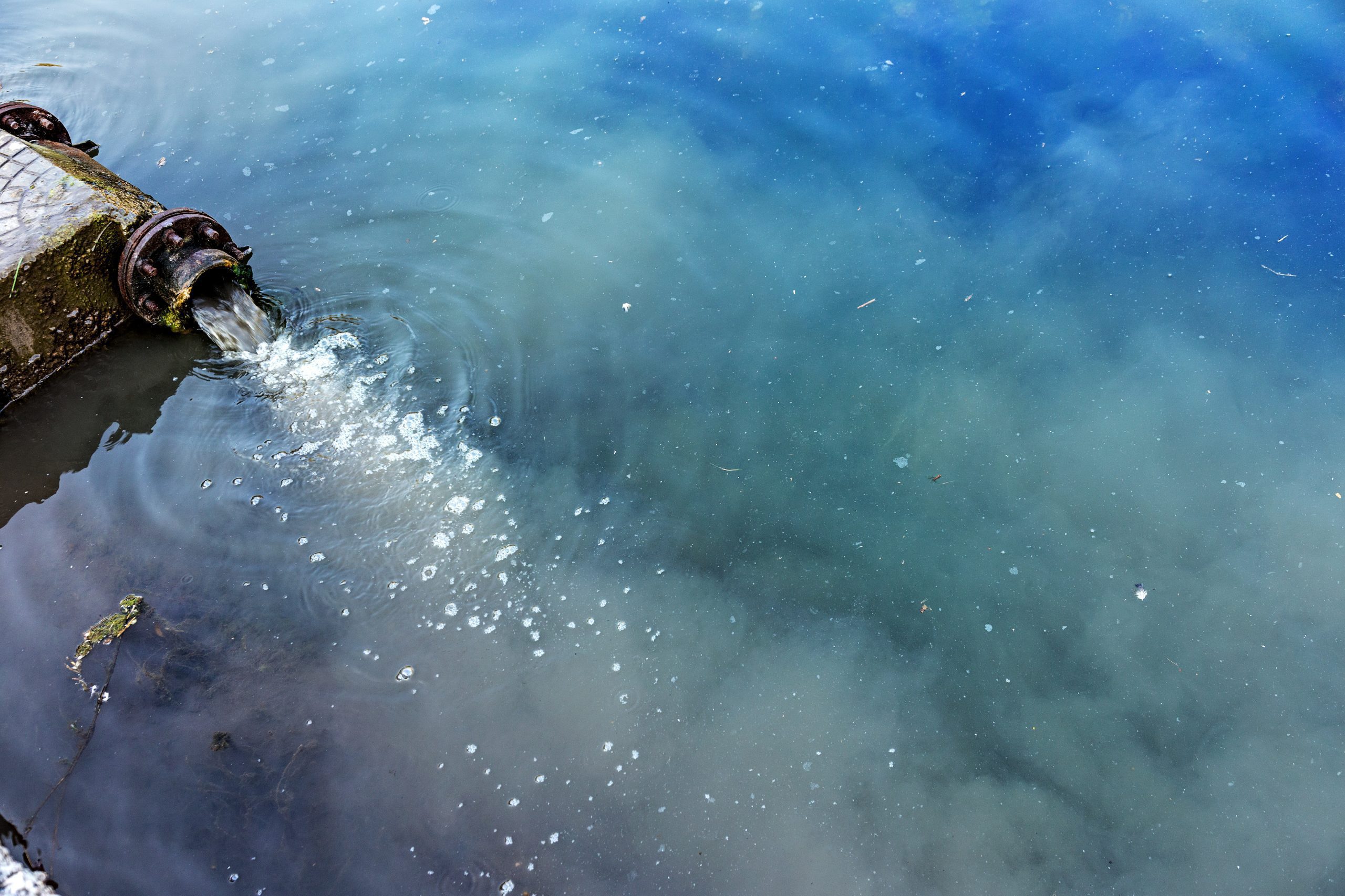
Decanter centrifuge separates sludge/suspensions in wastewater treatment, reducing moisture to 75-80%. Used in food, mining, and oil industries. ISO-certified, low chemical usage.
Post Views: 654

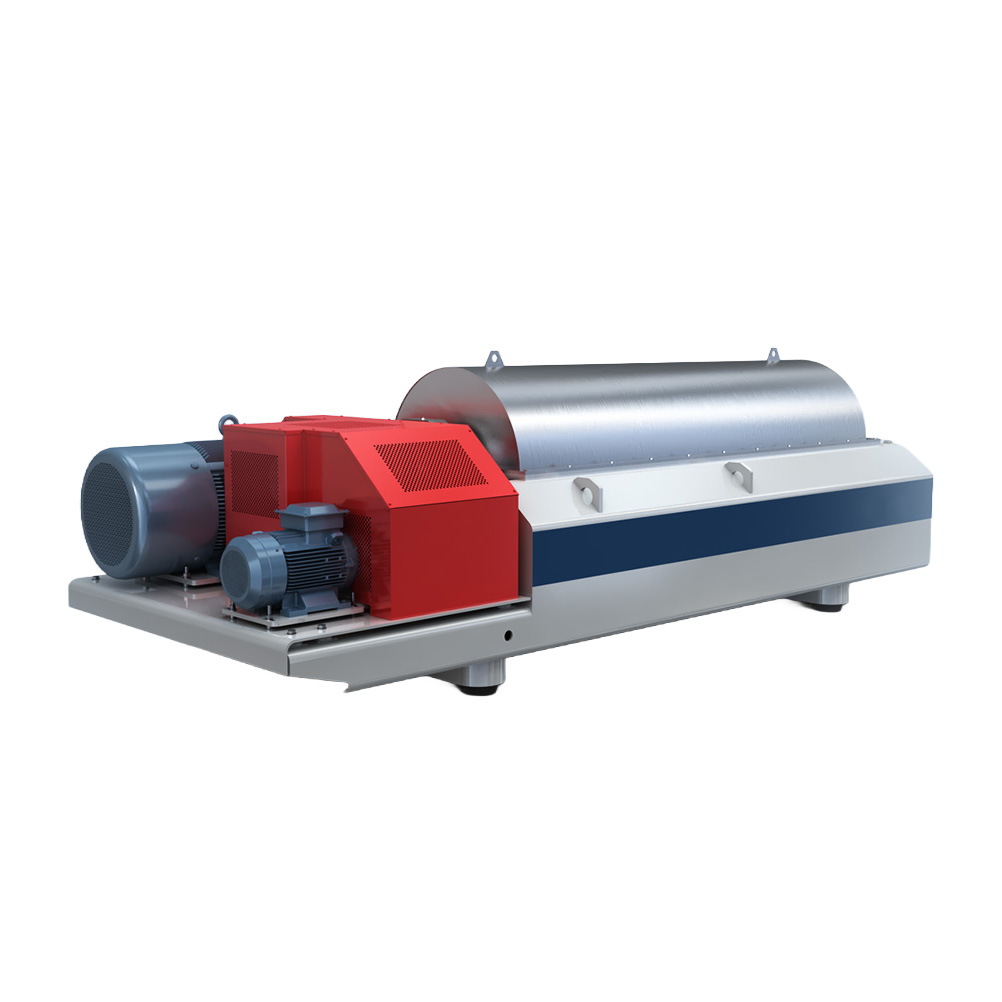
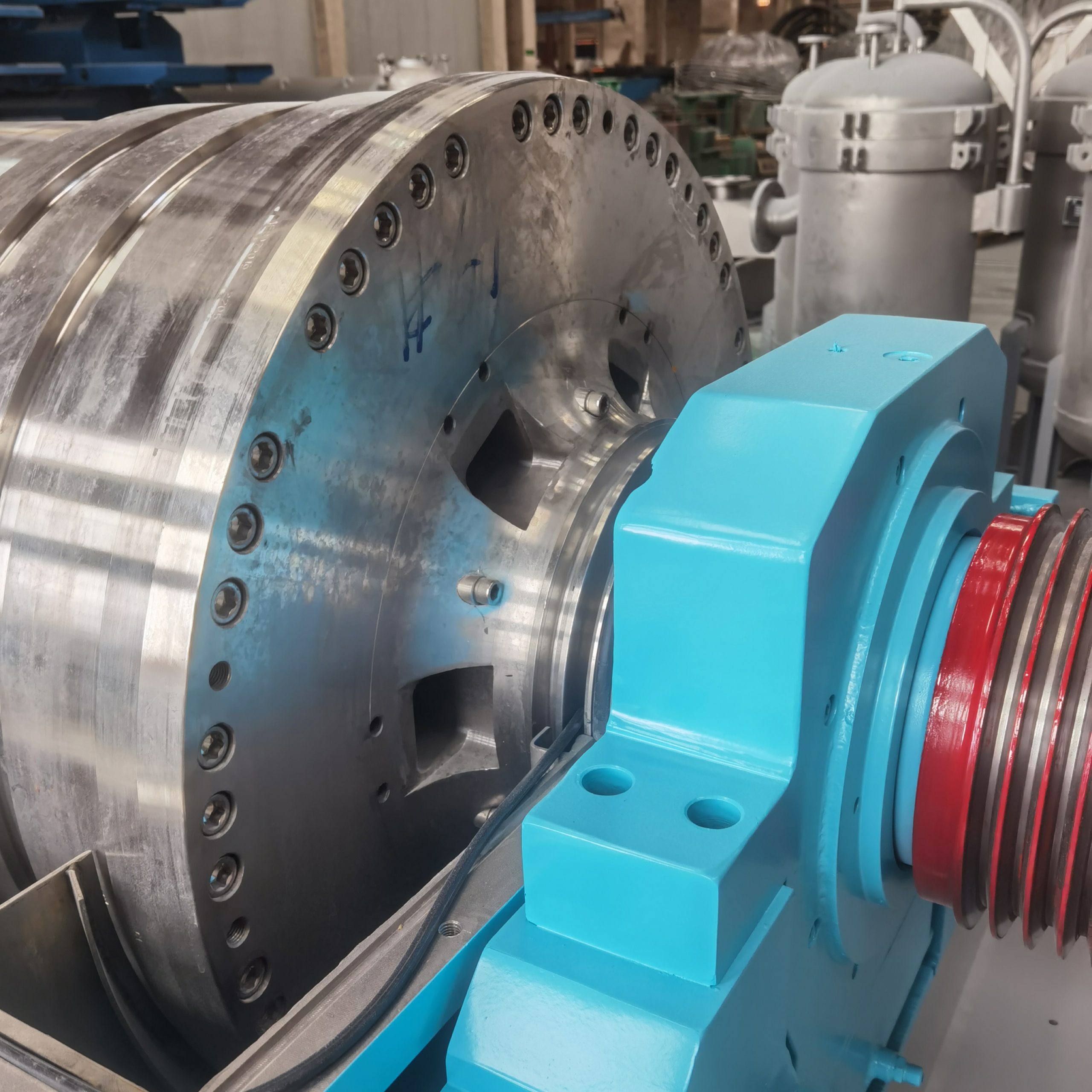
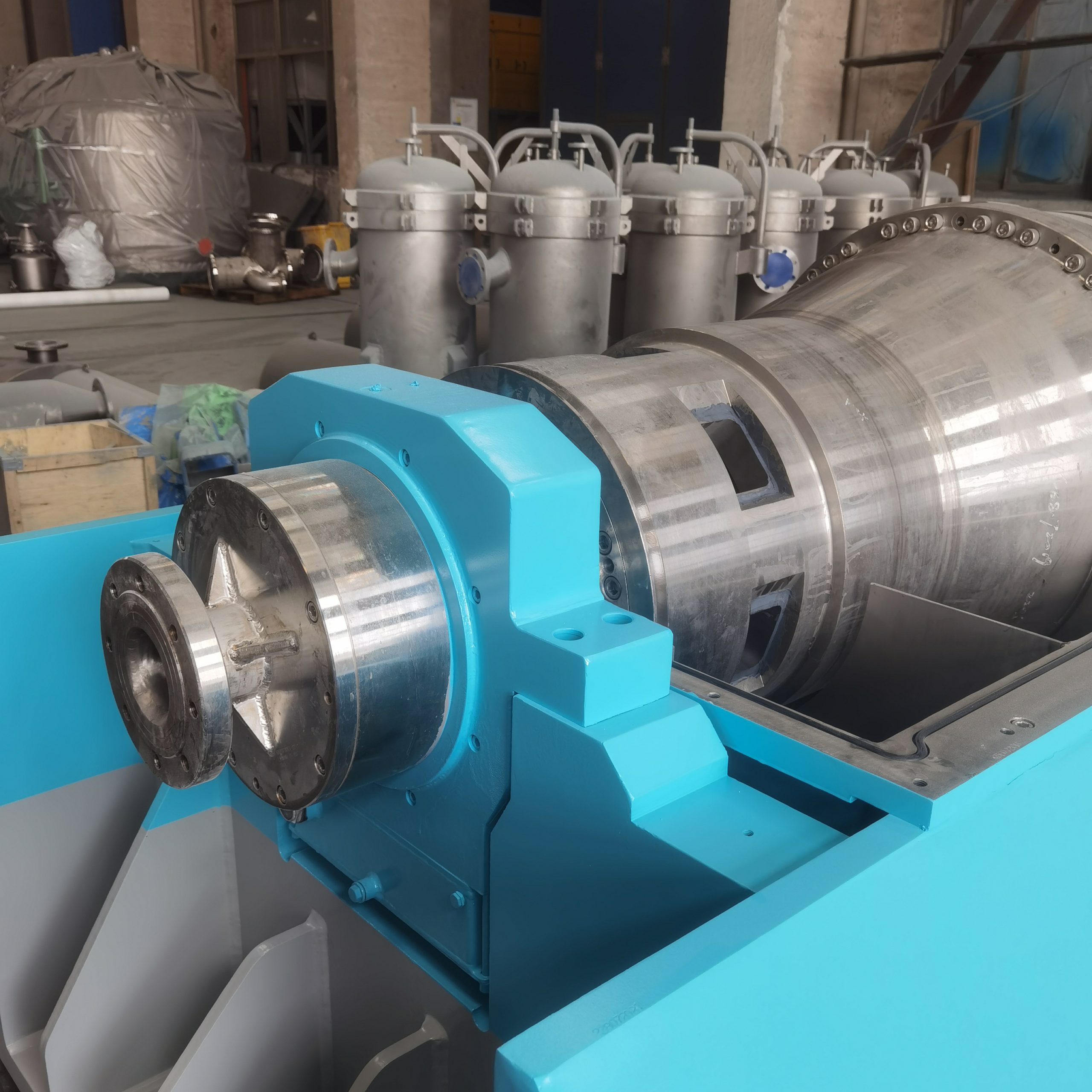
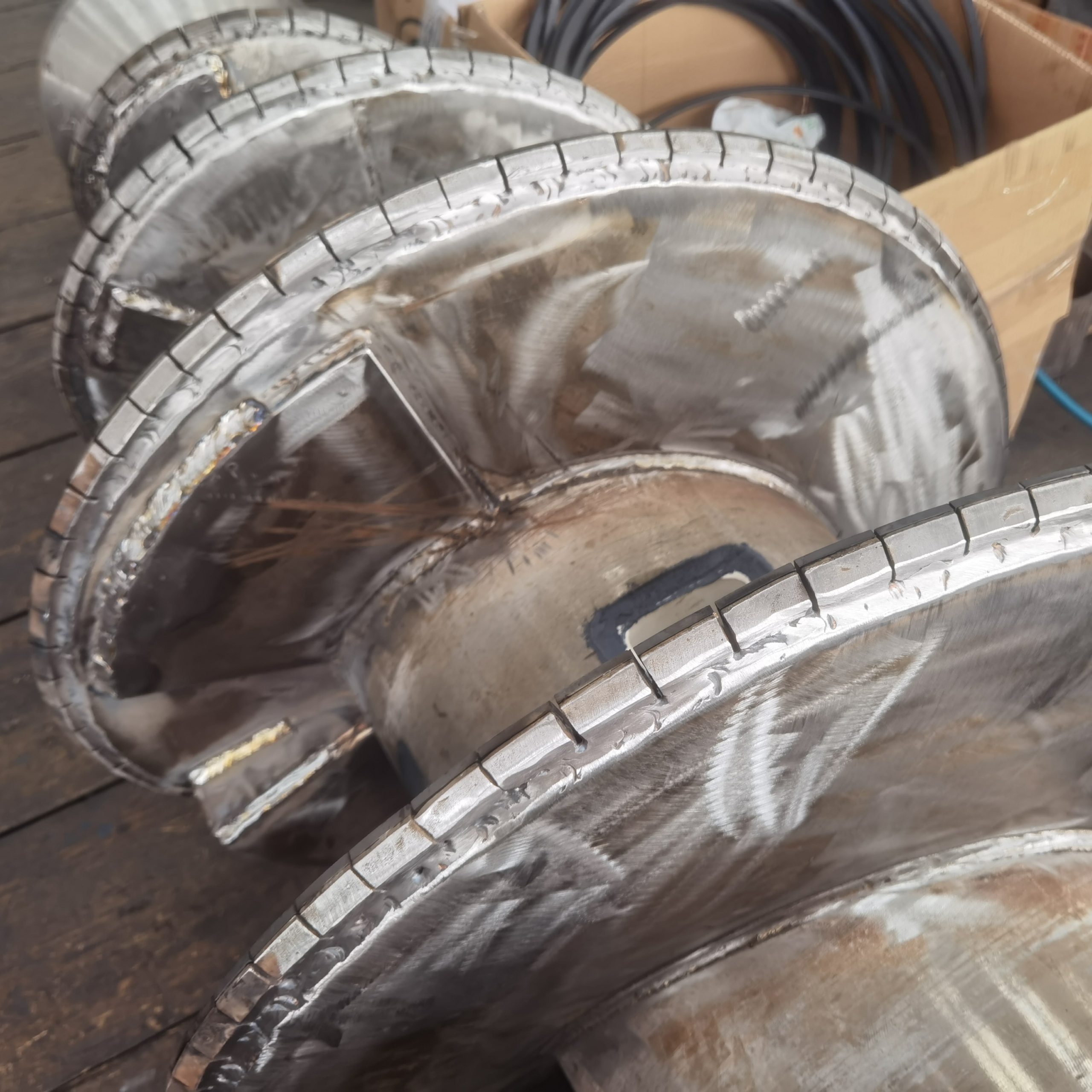
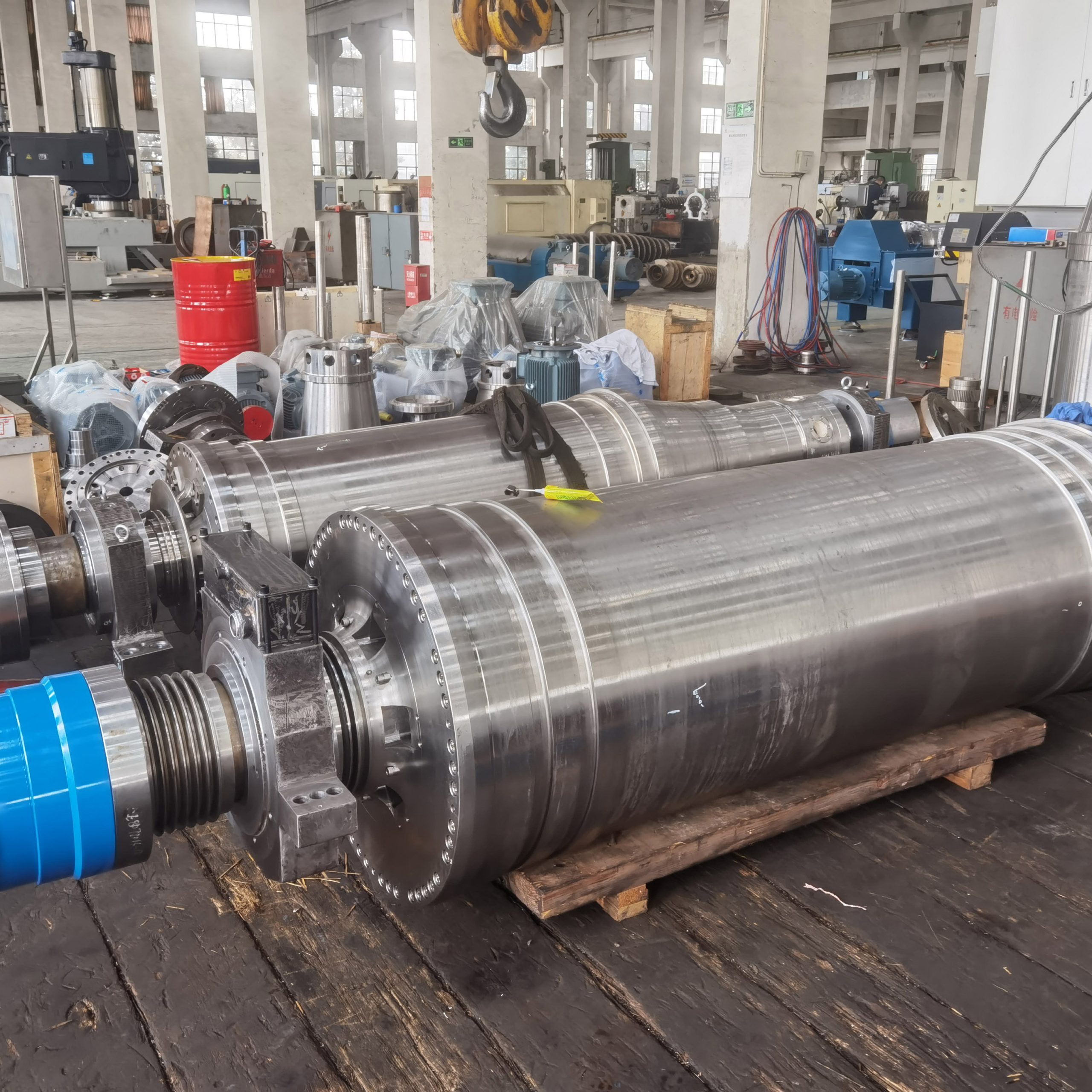
Horizontal Bowl centrifuges are also known as decanter centrifuges, centrifugal decanters or simply decanter machines and are primarily used for separation of liquids from appreciable amounts of solids. Decanters can separate over 50% (v/v) solids from liquids on a continuous basis. Typical industrial decanter applications include Crude Oil Tank Bottoms; Waste Oil; Industrial Wastewater; Sludge Dewatering; Fish Meal; WVO/UVO De-Sludging; Paint Sludge; Rendering etc. etc.
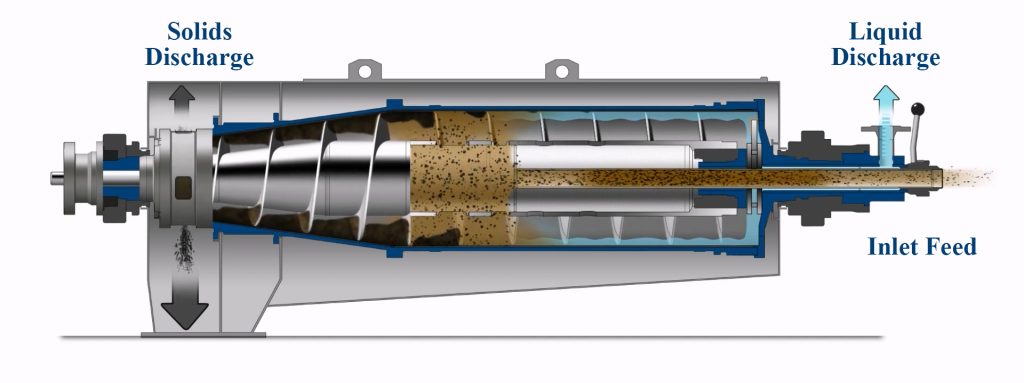
1: The slurry is brought into the centrifuge through an intake pipe and onto a conveyor.
2: Utilizing an internal feed compartment, the conveyor moves the slurry through a nozzle into the bowl.
3: The bowl rotates at high speeds to induce centrifugal forces.
4: High speed rotation separates the solid material from the liquid in a matter of seconds.
5: The conveyor delivers the solid material upwards where it is discharged through a nozzle.
6: The solid material removed, the purified liquid is released from a separate output. The ability to purify a liquid makes decanter centrifuges ideal for waste water treatment facilities. However, there are variety of industries for which such centrifuges play an important role. Similar to other decanter equipment, centrifuges are simple to install and do not require a foundation to build upon. Their efficiency saves time and materials and is an essential component for many blue collar industries
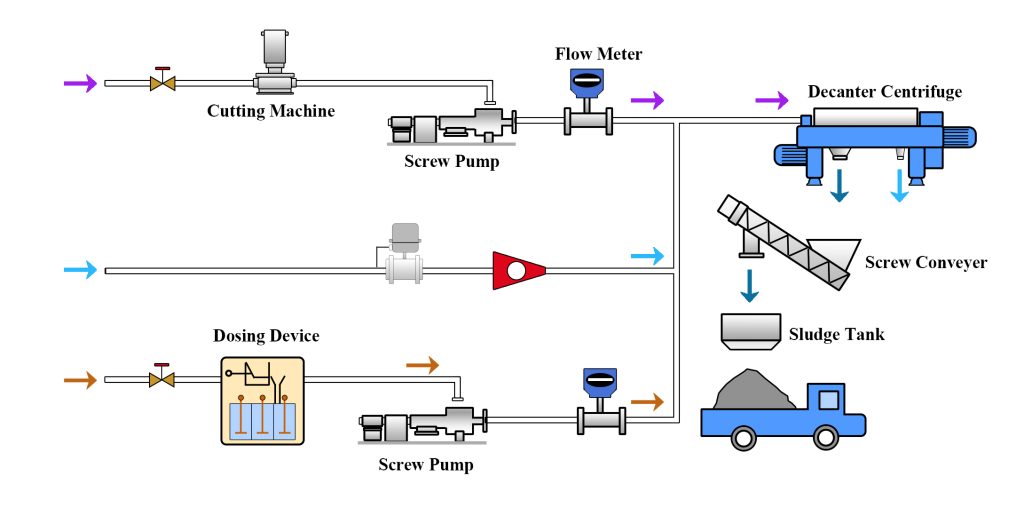
Complete Decanter Centrifuge Sludge Dewatering System Process Flow Description
This flowchart illustrates the full decanter centrifuge dewatering process from sludge storage to cake discharge:
Sludge Storage & Conveying: Wet sludge is first stored in the Sludge Tank. A Screw Pump lifts and transfers it to a Cutting Machine, where fibers and debris are chopped to protect downstream equipment.
Flow Measurement: The conditioned sludge then passes through a Flow Meter for real-time monitoring and control, ensuring stable feed to the centrifuge.
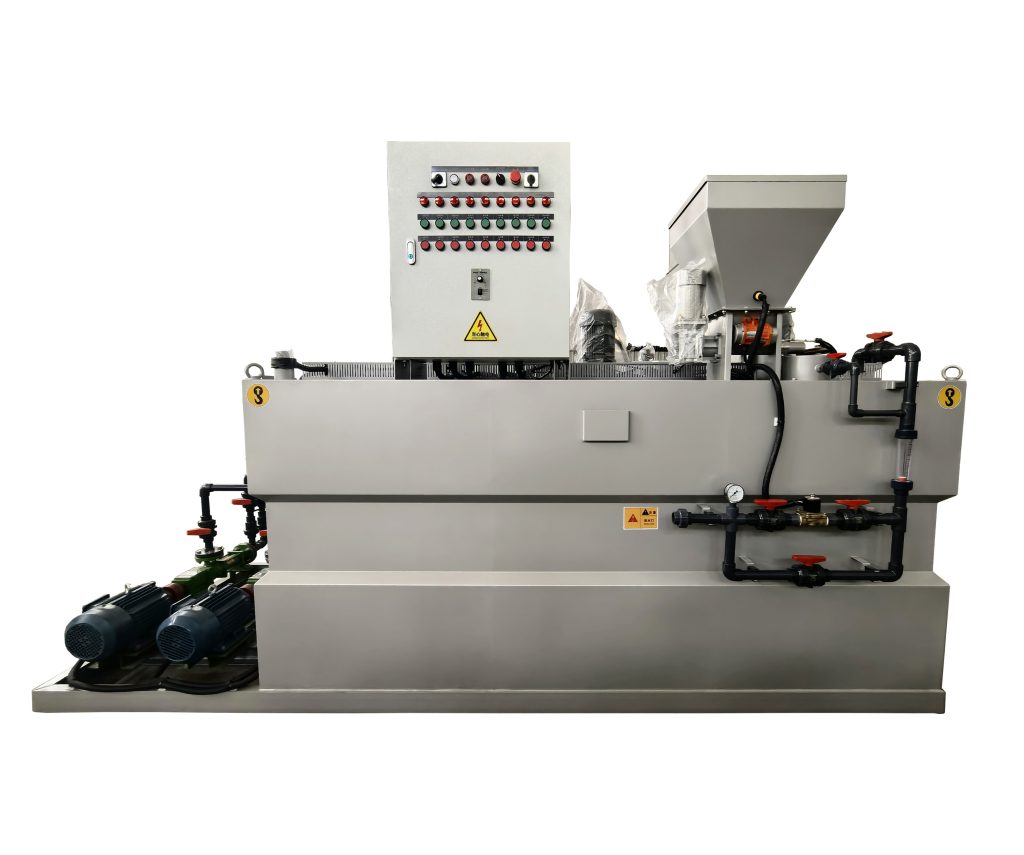
Chemical Dosing: Polymer solution prepared in the Dosing Device is precisely injected into the sludge pipeline by another Screw Pump, mixing thoroughly with the sludge to enhance solid-liquid separation.
Centrifugal Dewatering: The conditioned sludge enters the Decanter Centrifuge. Through high-speed rotation, centrifugal force separates water from the solids, producing a low-moisture sludge cake.
Cake Conveying: The dewatered cake is discharged from the centrifuge and transported horizontally or inclined by a Screw Conveyor to a designated storage area for disposal. The separated filtrate is returned to the upstream wastewater treatment system for further processing.
This process features high automation and continuous operation capability, making it suitable for large-scale dewatering of municipal and industrial sludge.
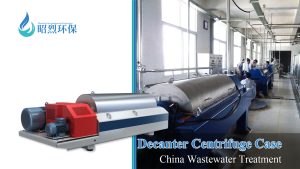
This article presents a real-site engineering photo of […]
-scaled.jpg)