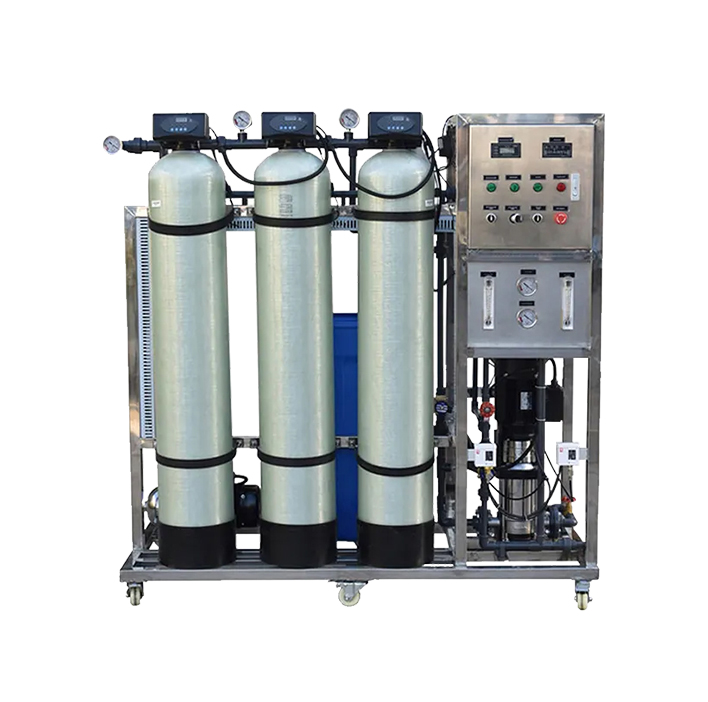
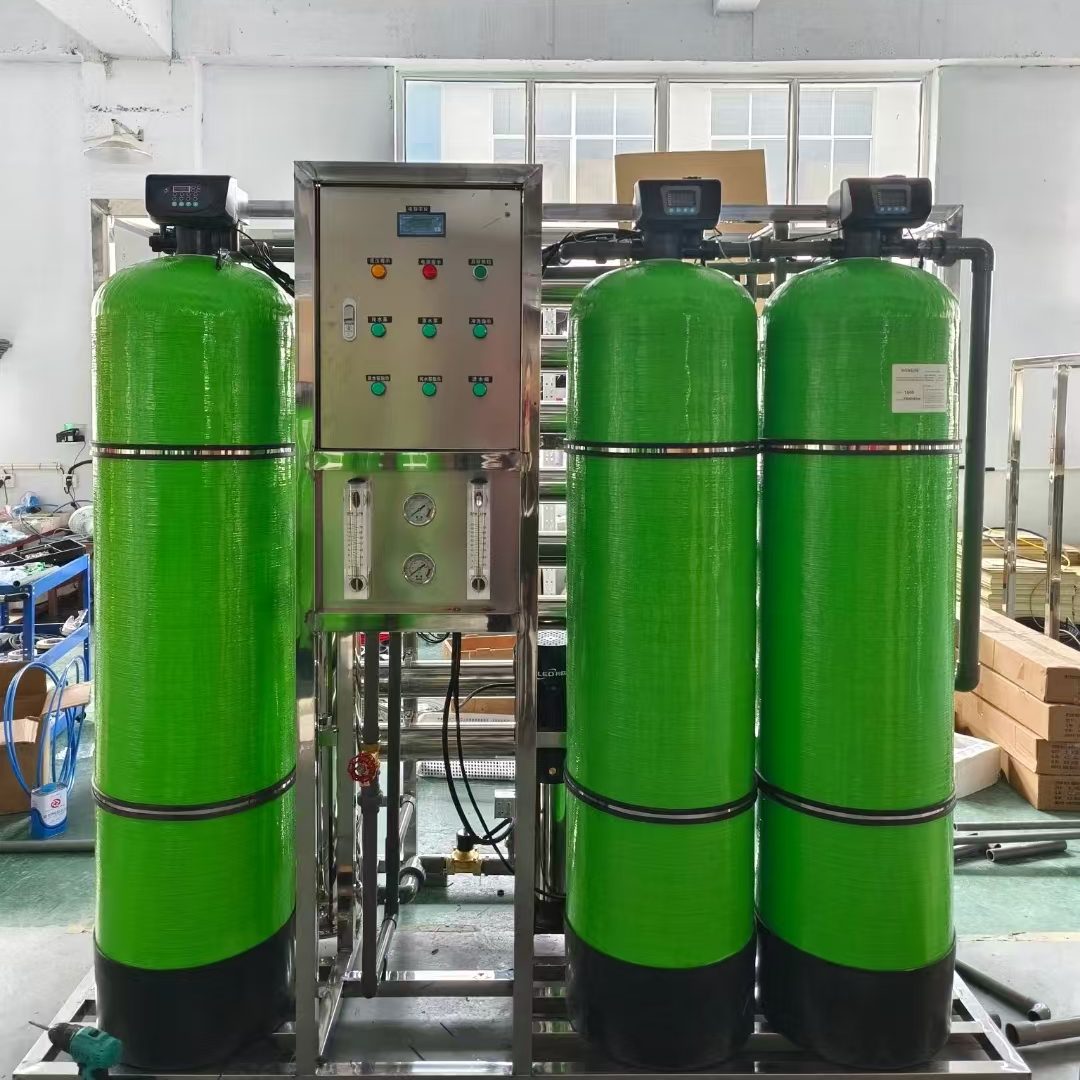
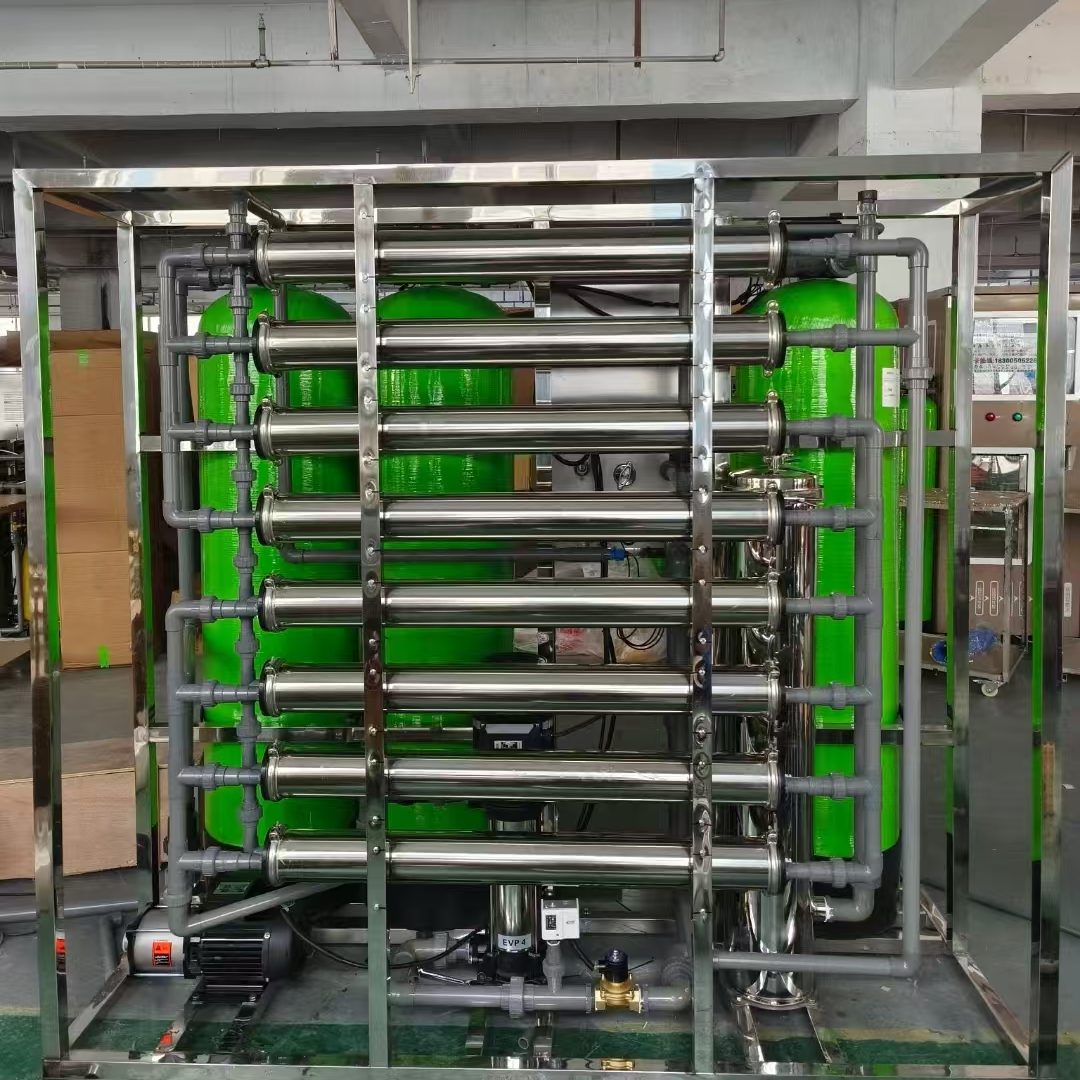
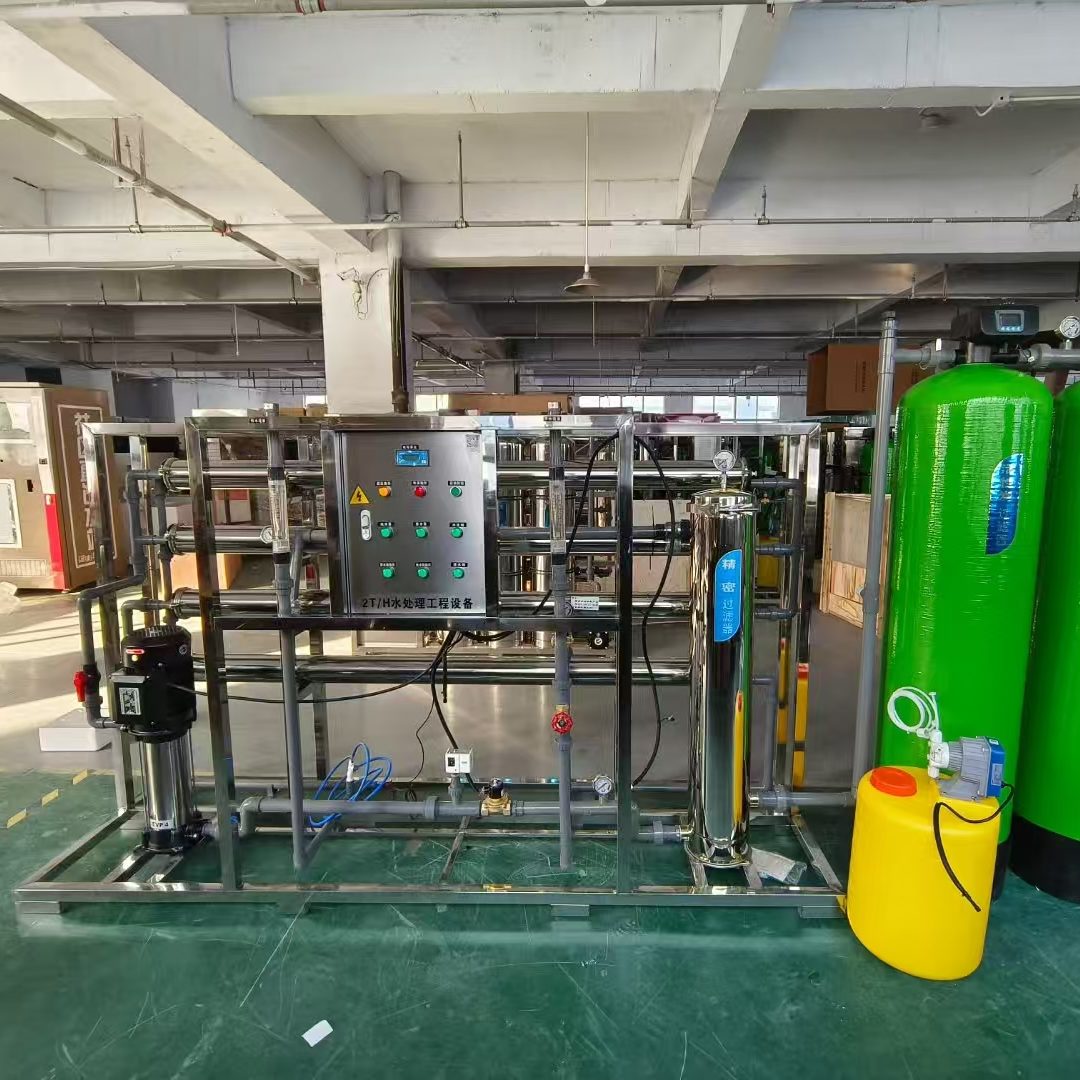
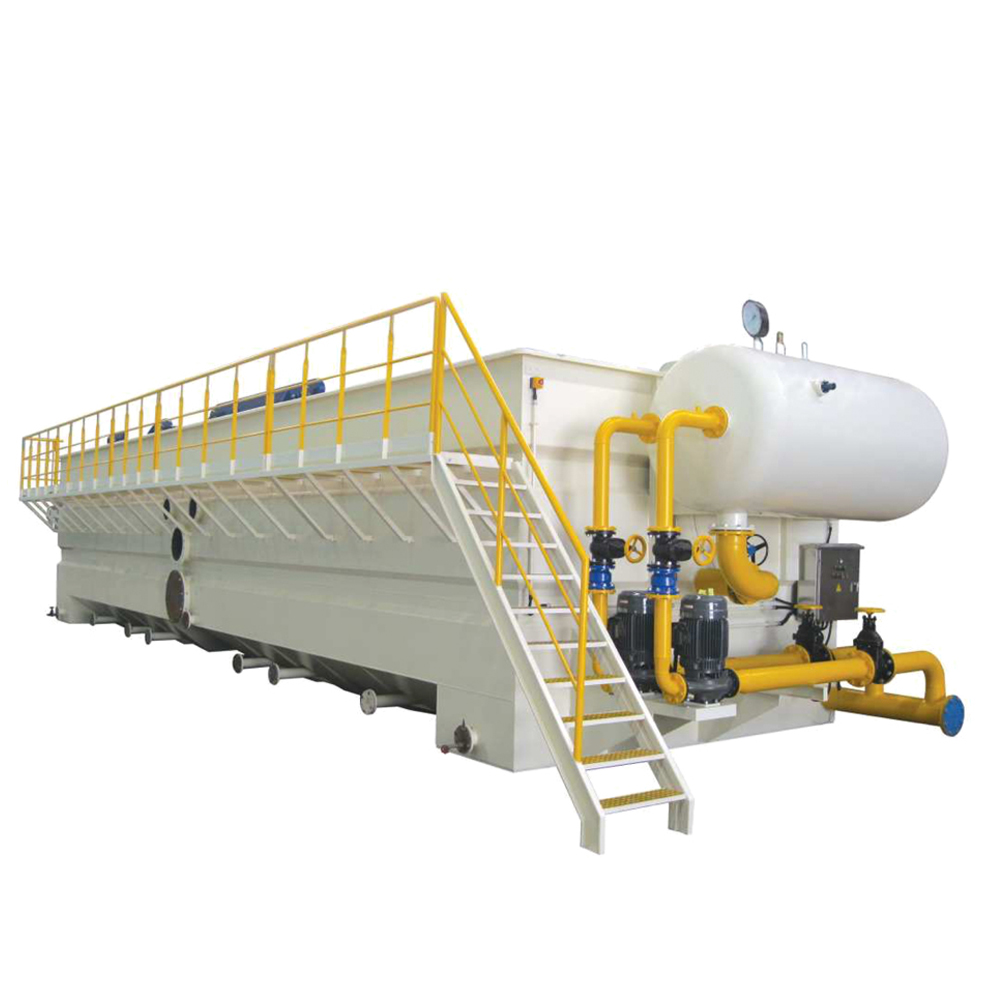
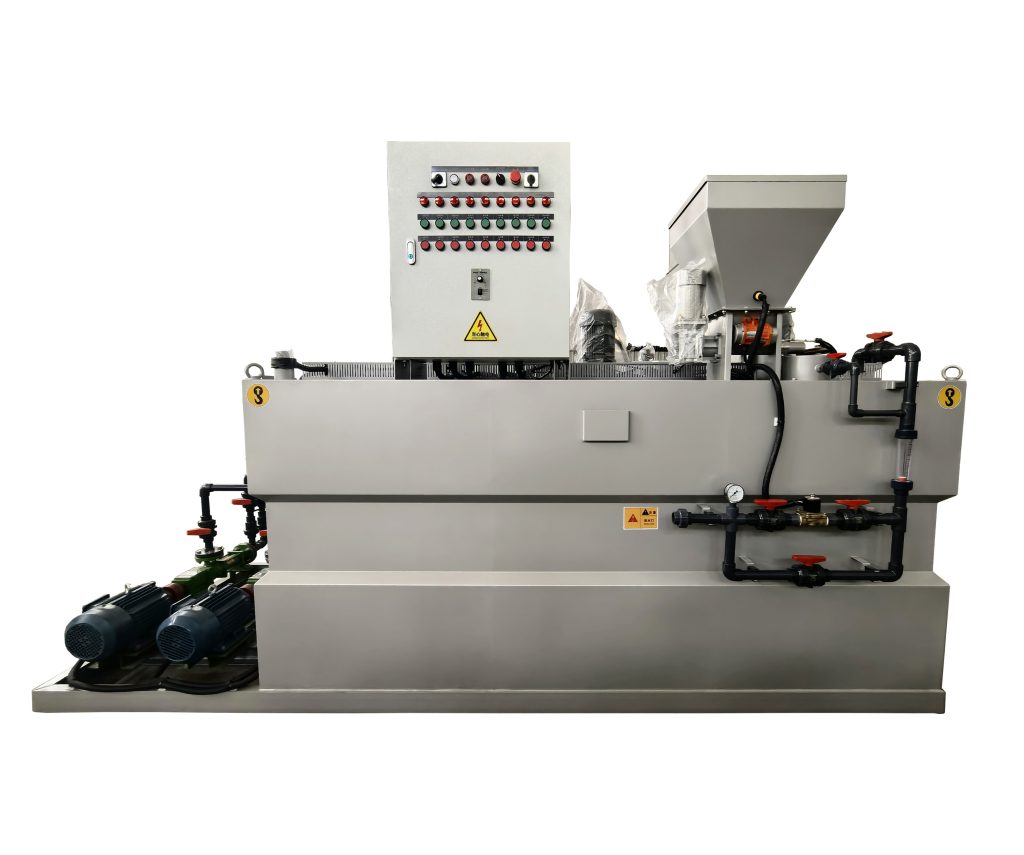
Reverse osmosis is an advanced water purification technology that utilizes semi-permeable membranes to effectively filter out salts, oils, and other contaminants, producing clean, high-quality water.
Post Views:225
Product Introduction
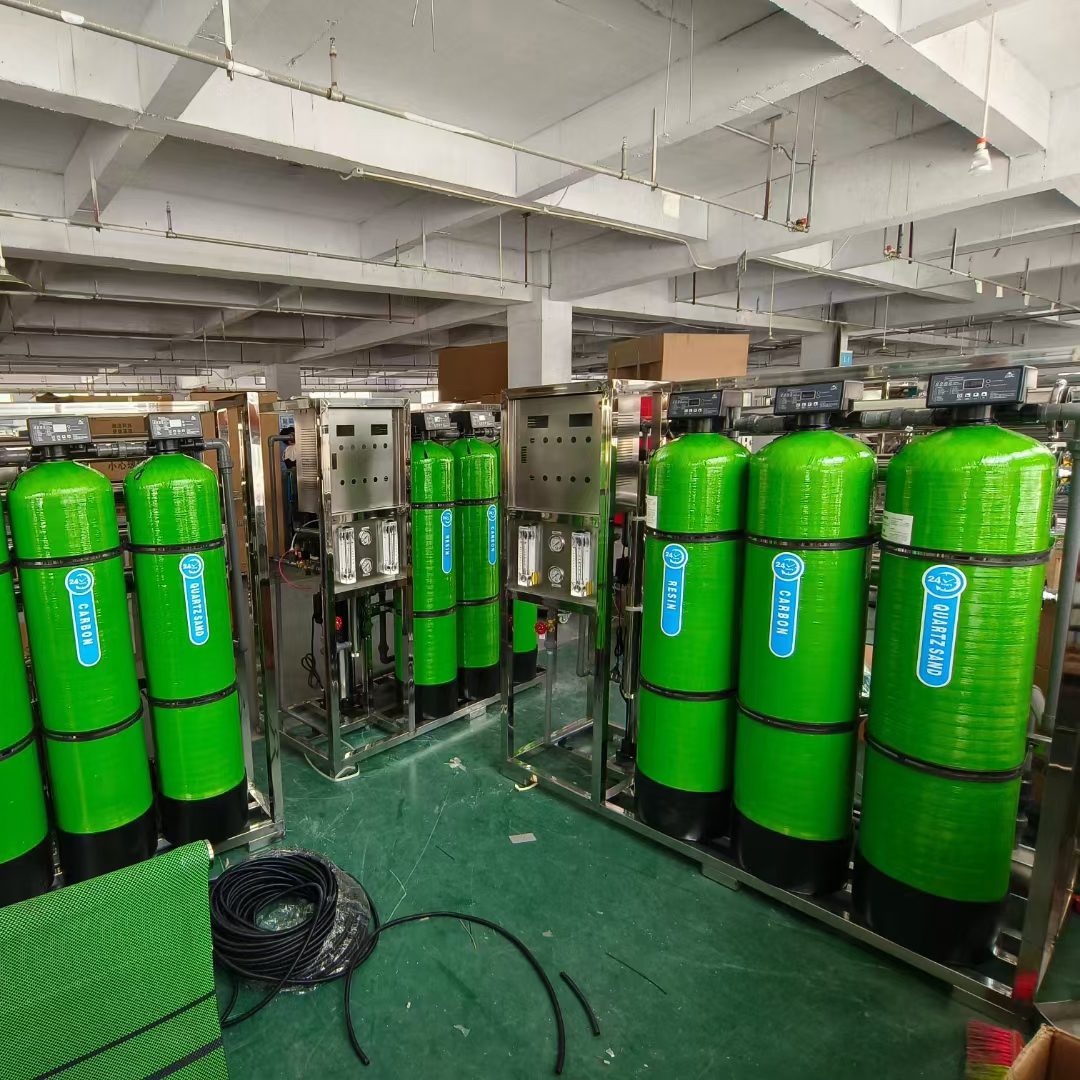
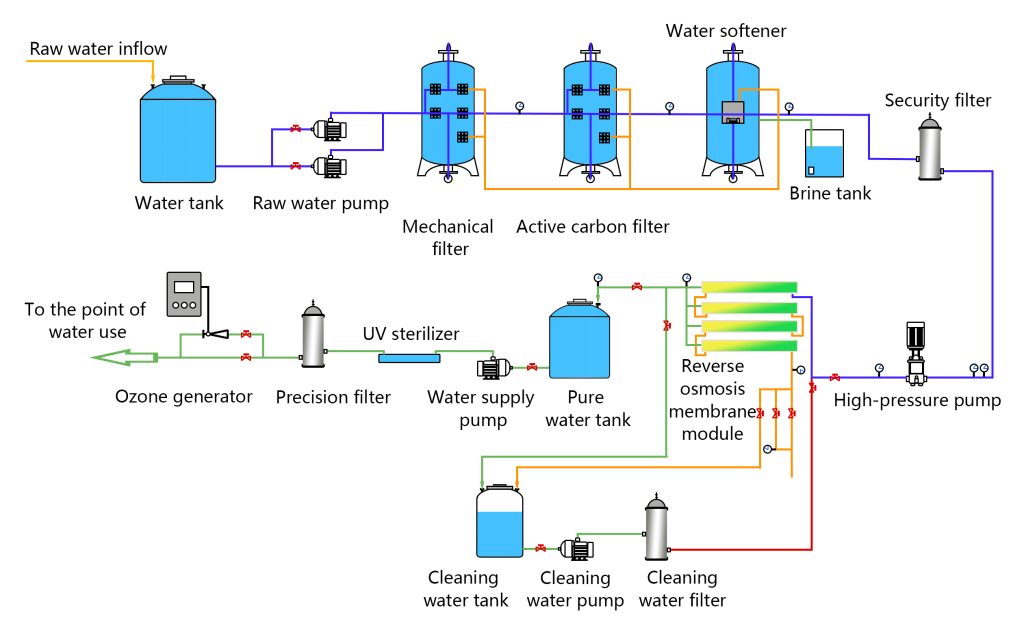
Raw water first undergoes pretreatment through quartz sand filters, activated carbon filters, and precision filters. It is then pressurized by a pump and subjected to advanced filtration using a reverse osmosis (RO) membrane.
The RO membrane has an extremely fine pore size of just 1/10,000 μm (about 1/6,000 the size of an E. coli bacterium and 1/300 the size of a virus). This allows it to effectively remove various impurities, including inorganic ions, organic compounds, heavy metals, bacteria, and viruses, achieving exceptionally high water purity.
During filtration, a pressure differential is maintained across the RO membrane. Normally, water flows from the low-salinity side to the high-salinity side due to osmotic pressure. However, when external pressure exceeds this osmotic pressure, the flow reverses—creating the reverse osmosis effect. This process thoroughly eliminates contaminants, ensuring the purified water meets strict drinking water quality standards for both chemical and microbiological safety.
Working Process
Application Field
1.Food and Beverage Industry
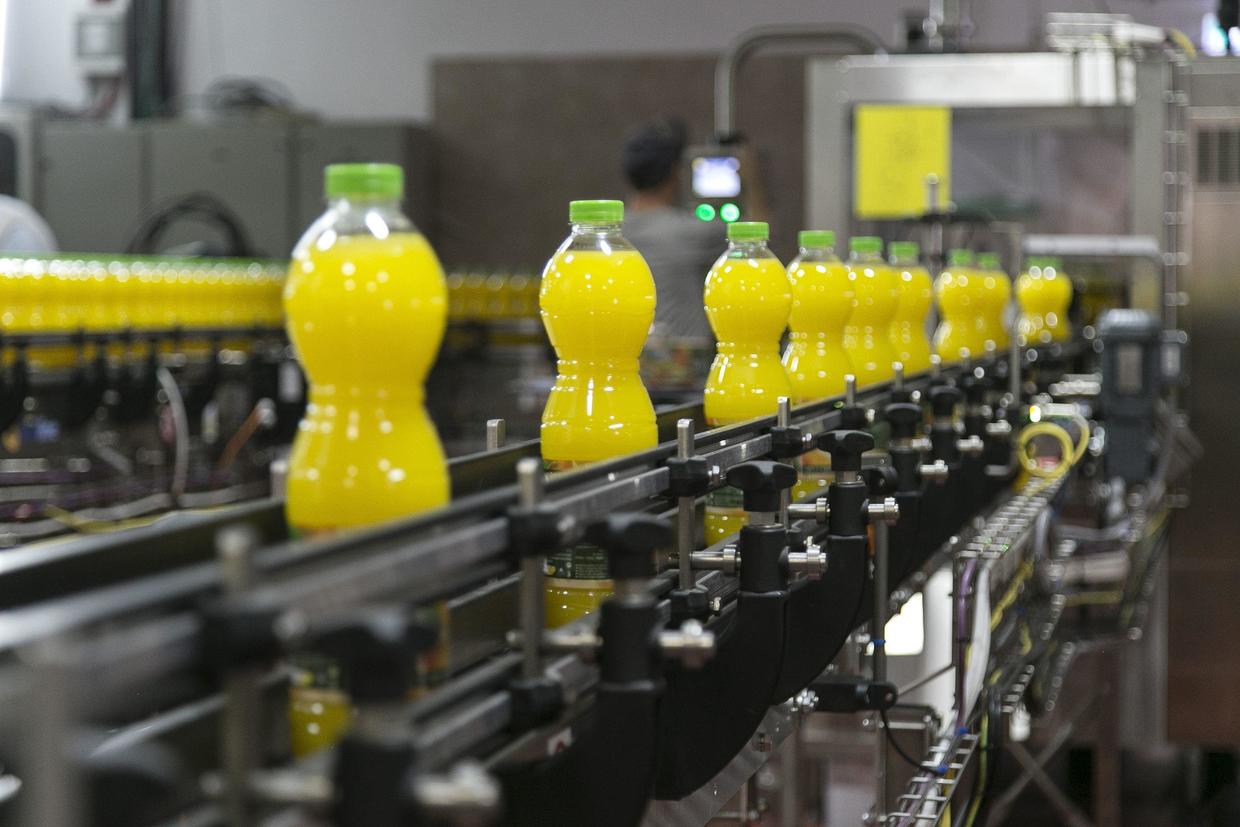
Applied in beverage production (mineral water, fruit juice), dairy product processing, seasoning (soy sauce, vinegar), etc.
Remove impurities and odors from water, enhance product taste, desalinate and soften water quality, and avoid scaling affecting the production line.
2.Wastewater Treatment and Reuse
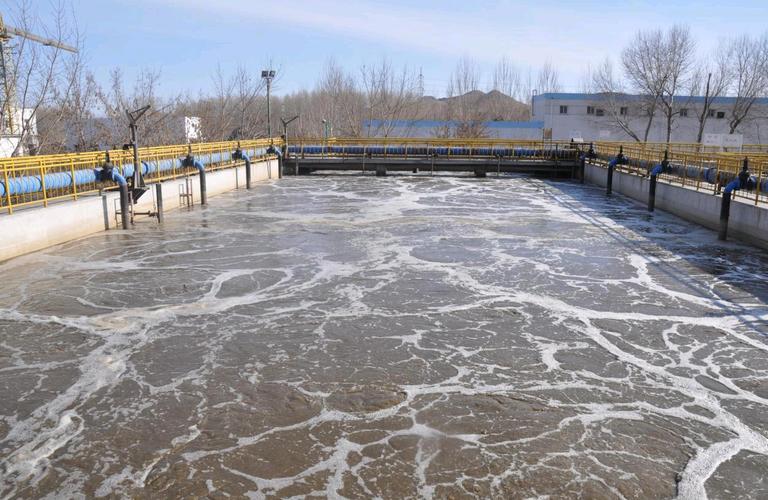
Industrial wastewater treatment, municipal water reuse, and desalination of electroplating wastewater.
Deep removal of heavy metals and organic matter, combined with MBR (membrane bioreactor) to improve the purity of recycled water.
3.Chemical Industry
Oil chemical industry, pesticide/dye production, electronic grade ultrapure water preparation. Separate recyclable substances (such as sodium sulfate and sodium chloride) from high salt wastewater. Provide high-purity water source for chemical reactions to avoid interference from impurities.
4.Biopharmaceutical Industry
Can be applied to water for injection (WFI), vaccine production, and purification of biological agents.
Remove pyrogens and bacteria to meet the requirements of pharmacopoeia for sterile water quality. Used in conjunction with EDI (Electrodeionization) to prepare ultrapure water.