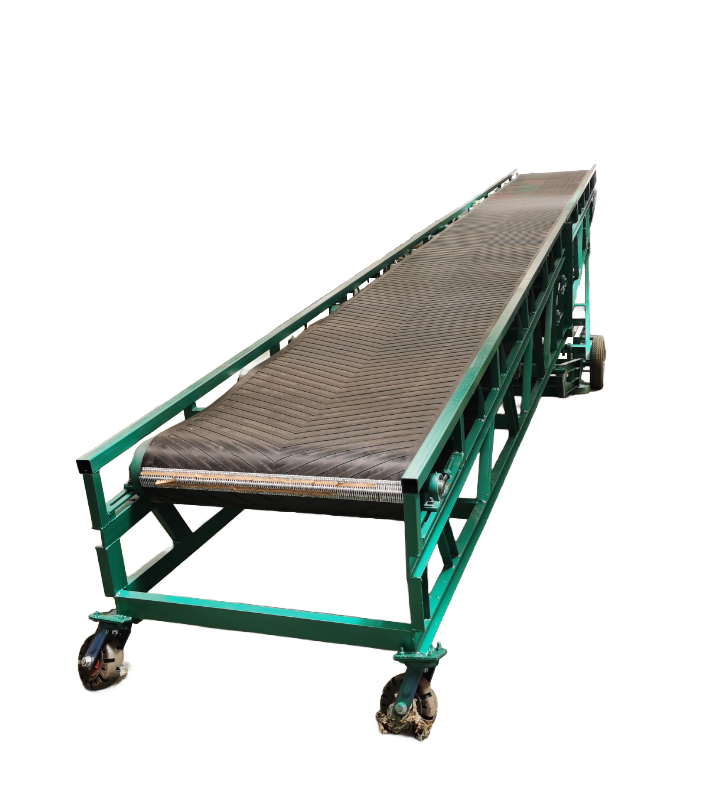
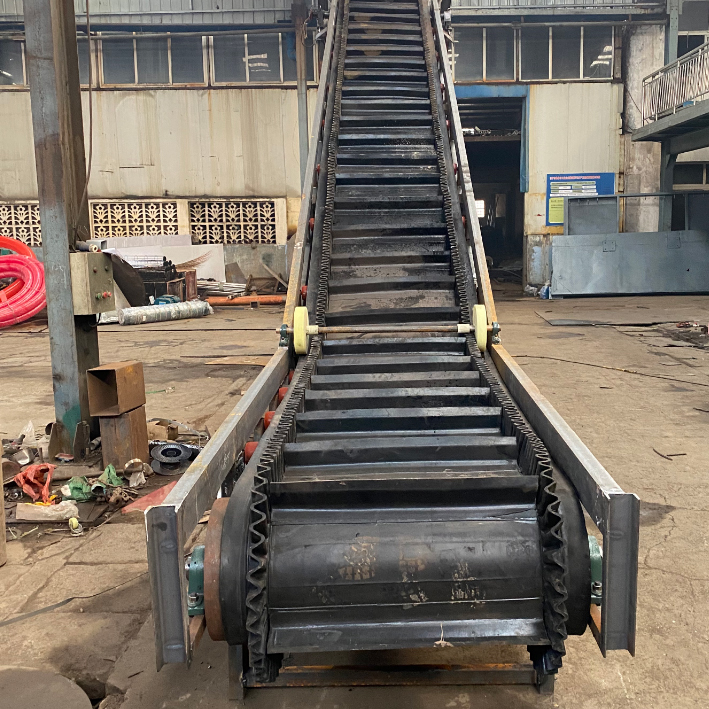
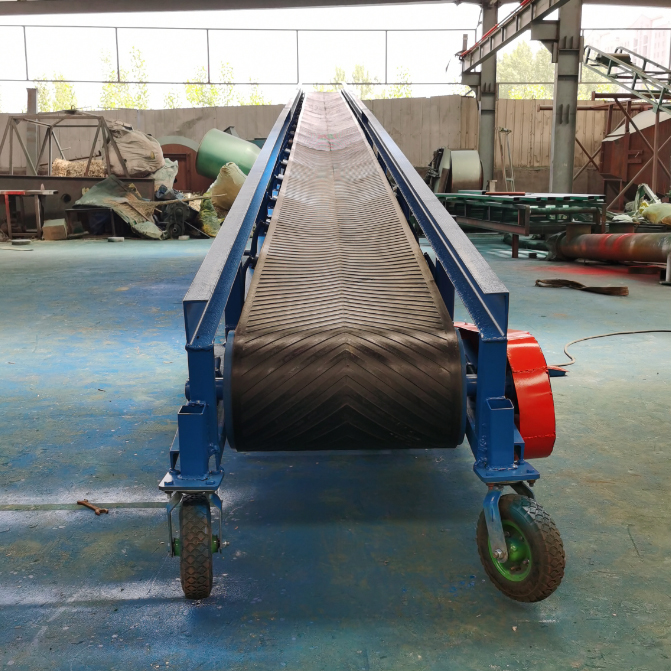
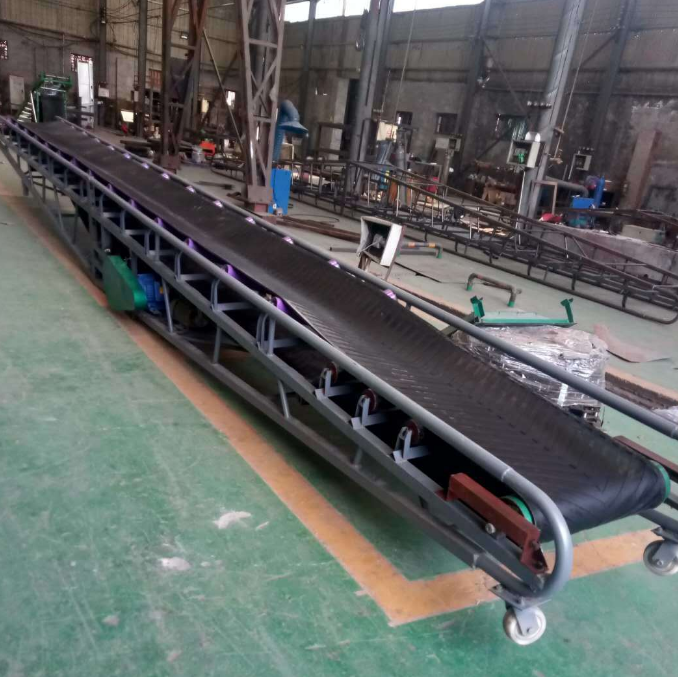
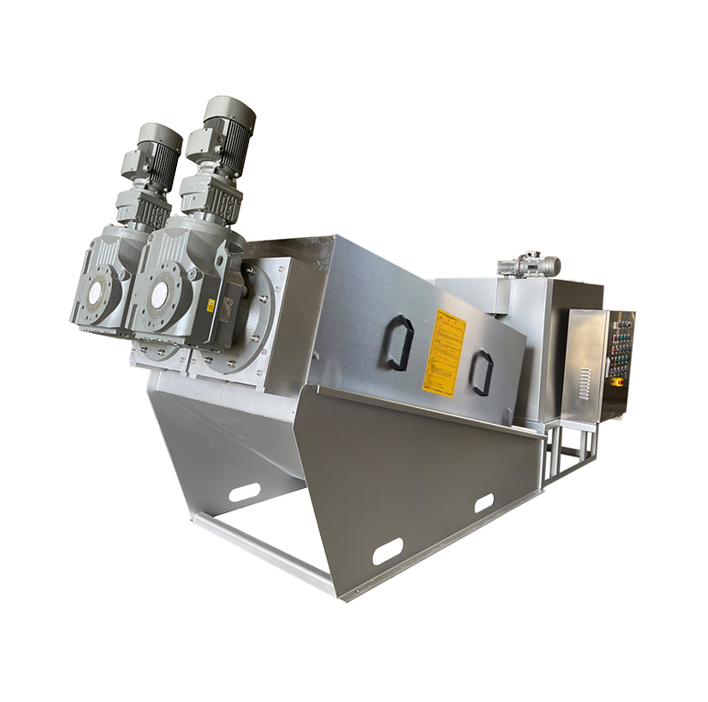
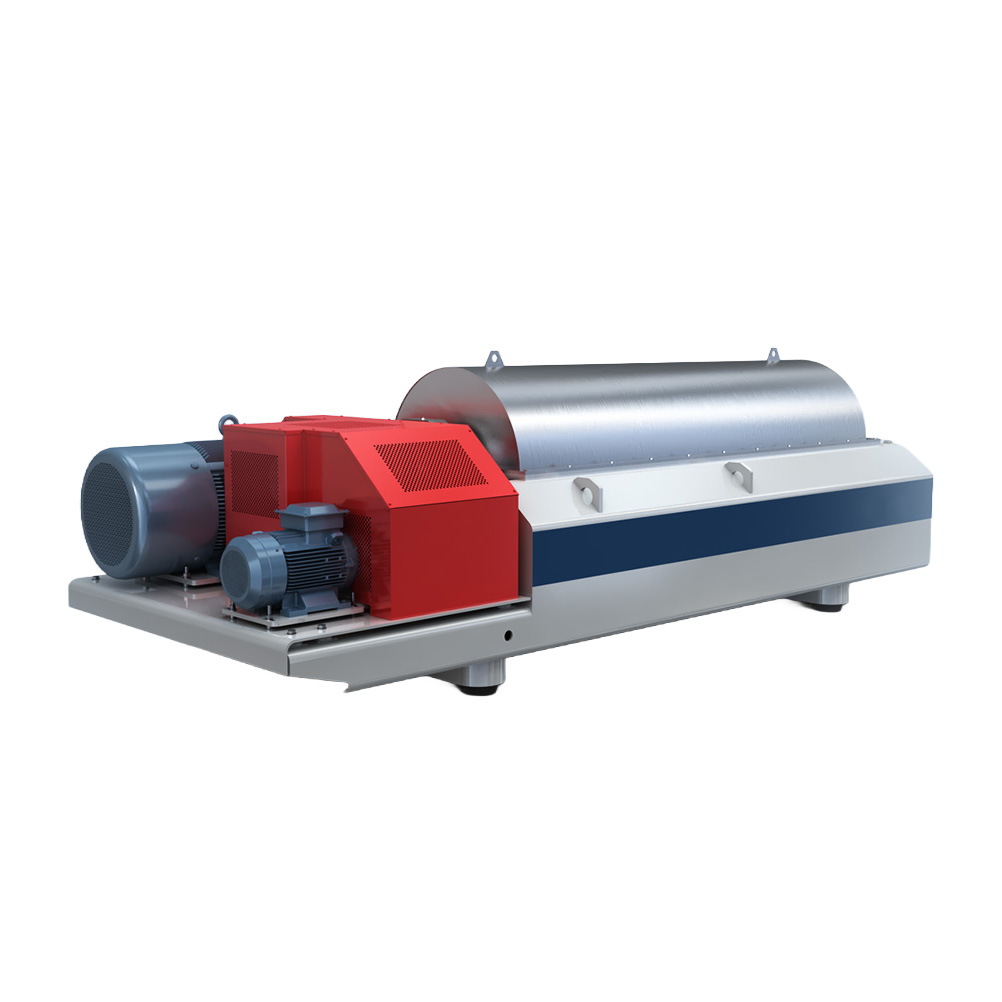
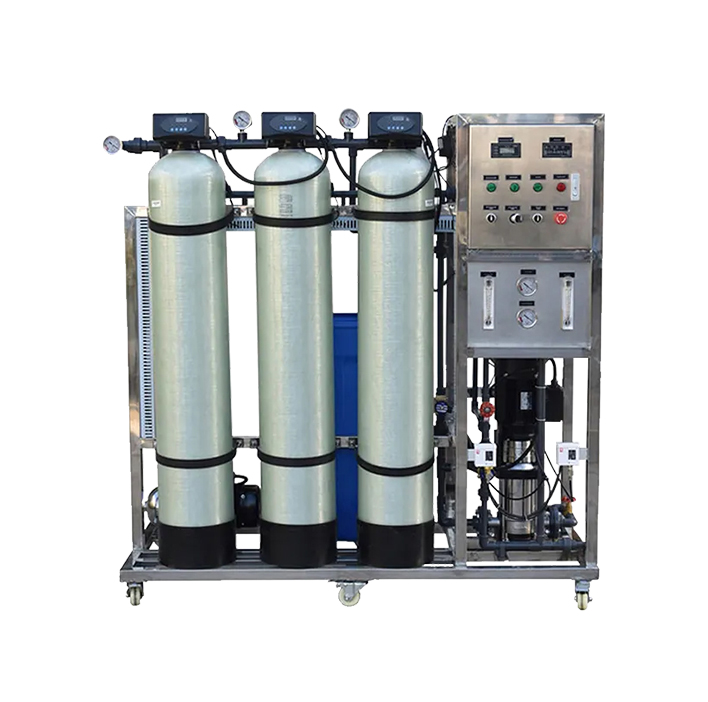
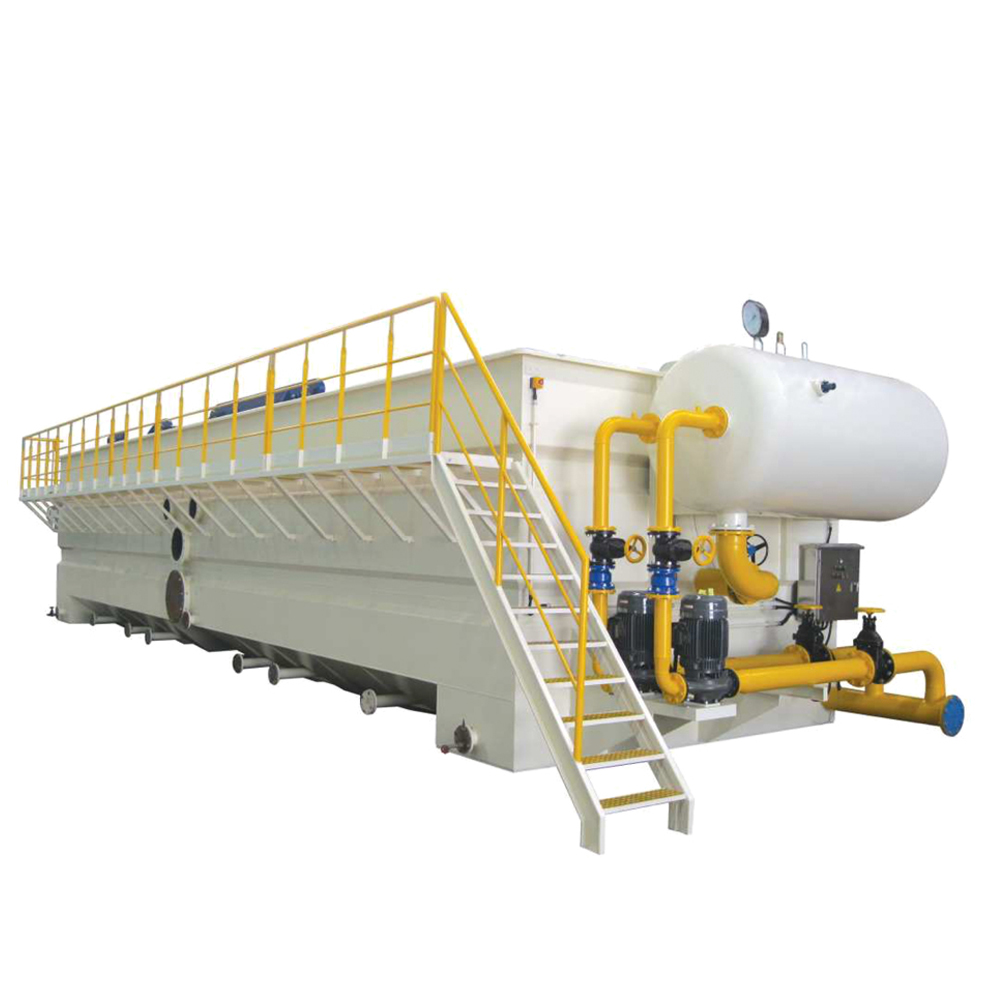
The belt conveyor suits chemical, metallurgical, coal mining,water and electricity, building materials, and other departments.
Post Views:223
Product Introduction
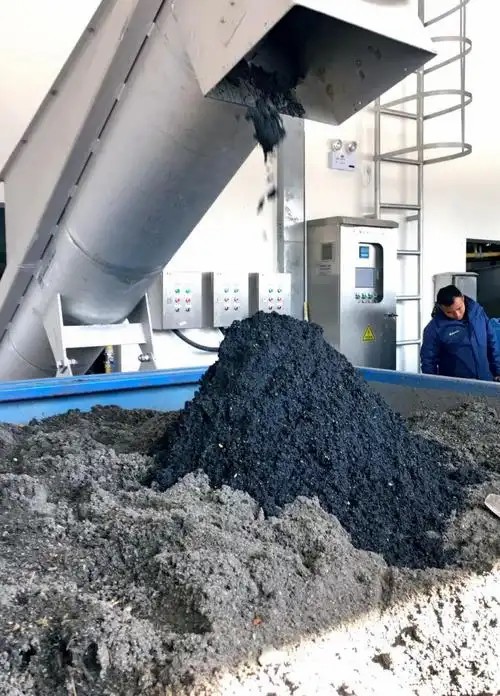
The equipment adopts a continuous trough belt type. The material falls on the conveyor belt from the grid or the discharge port of the dehydrator. Driven by the electric drum, the material moves from one end to the other end, and the end is connected to the trash can, and then another deals with.
Product Advantages
Reliable operation of the equipment, large conveying capacity, long conveying distance, multi-point pick-up of materials, continuous conveying, etc.
The driving device adopts an oil-cooled electric drum, protection grade IP55, compact structure,small footprint, and easy maintenance.
The equipment adopts a helical tensioning device to ensure the conveyor belt’s safe, reliable, and effective operation.
The material of the conveyor belt is butadiene rubber, and the vulcanization method is adopted,which is convenient for cleaning, corrosion resistance, and long service life.
Application Field
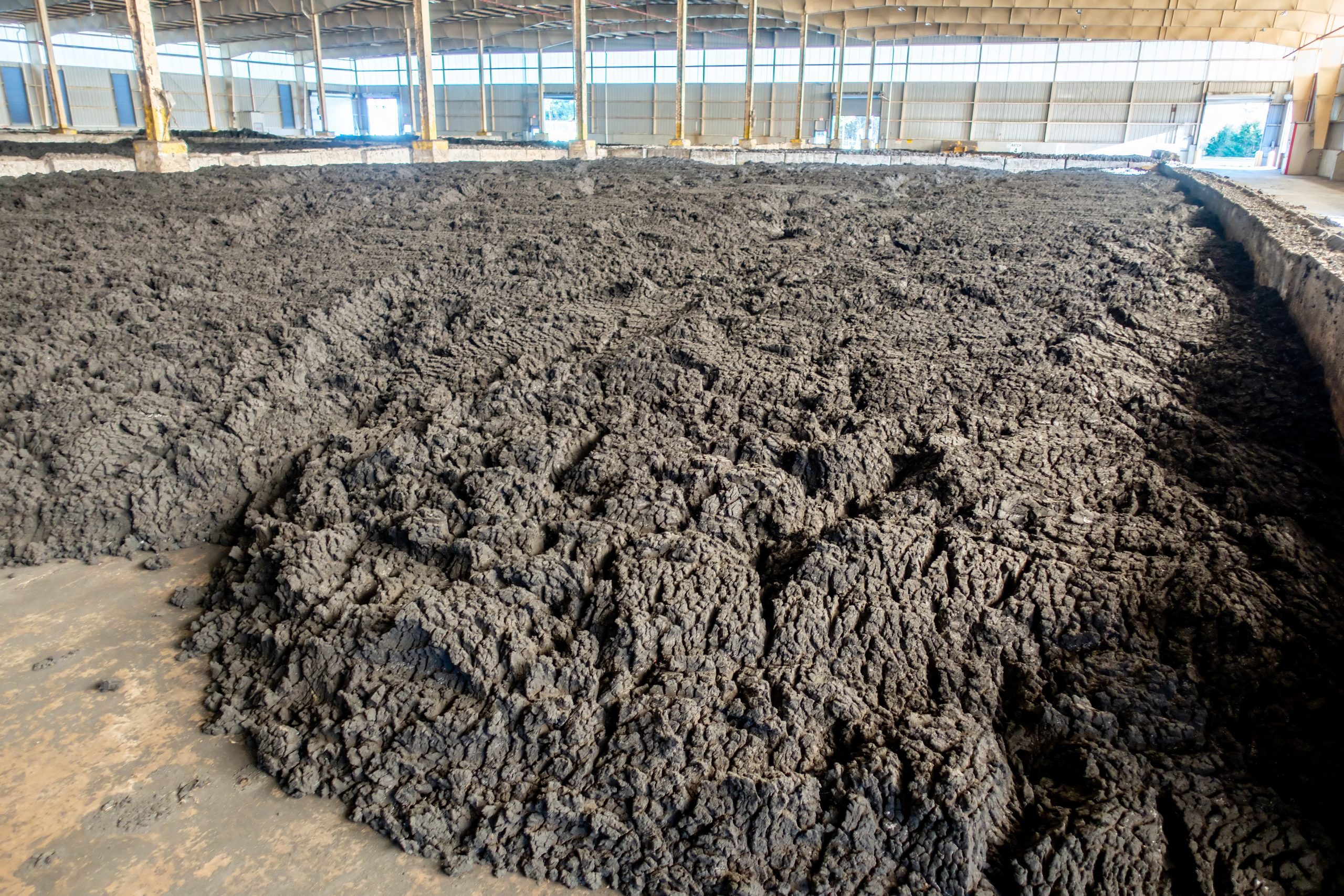
1. Sludge Transportation in WWTPs
Stainless steel belts resist corrosion from polymer-conditioned sludge.
Cleaning nozzles prevent material buildup (meets hygiene standards).
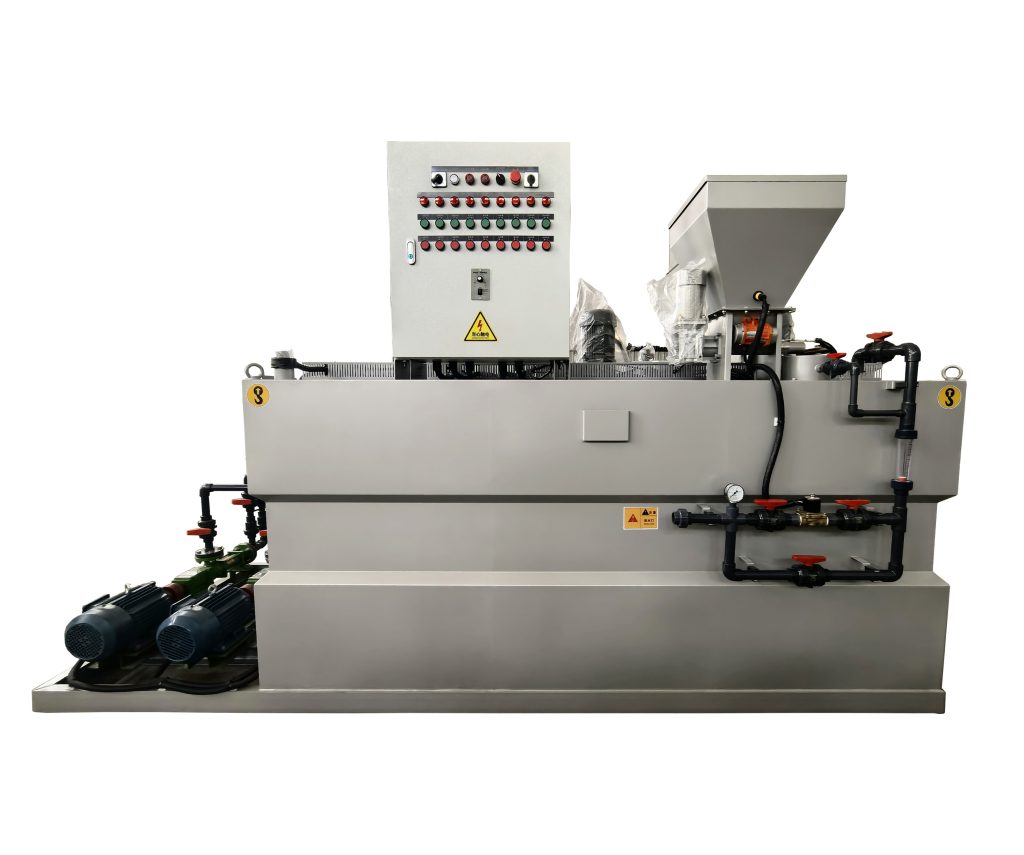
2. Chemical Feeding Systems
Closed design avoids dust/leakage.
Precision weigh belts control feed rates (±2% accuracy).