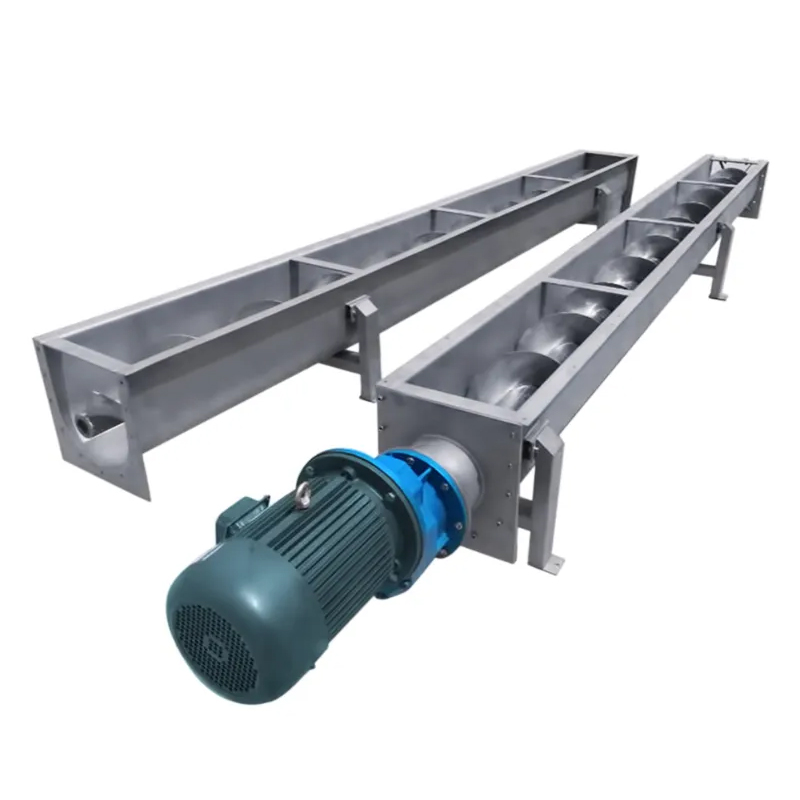
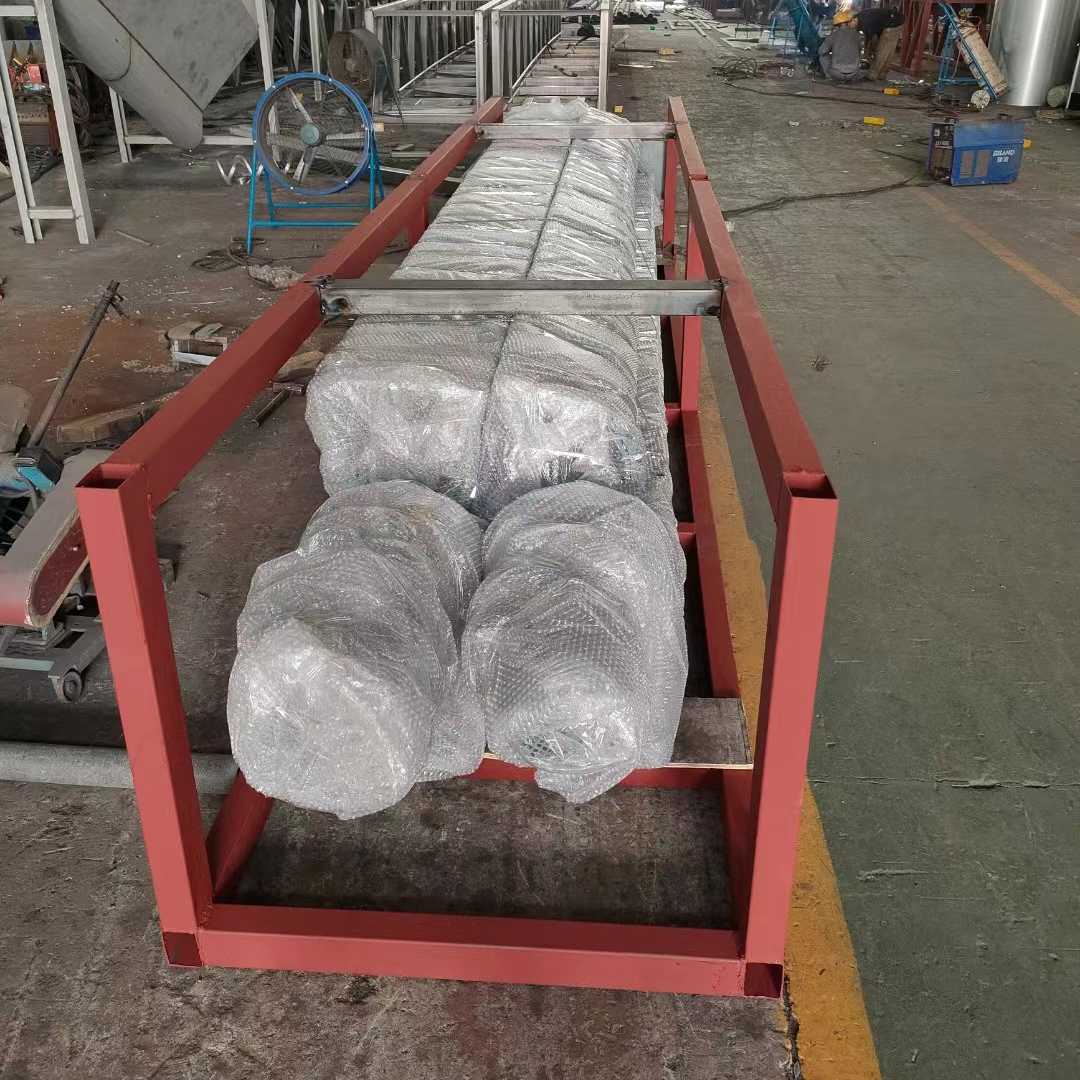
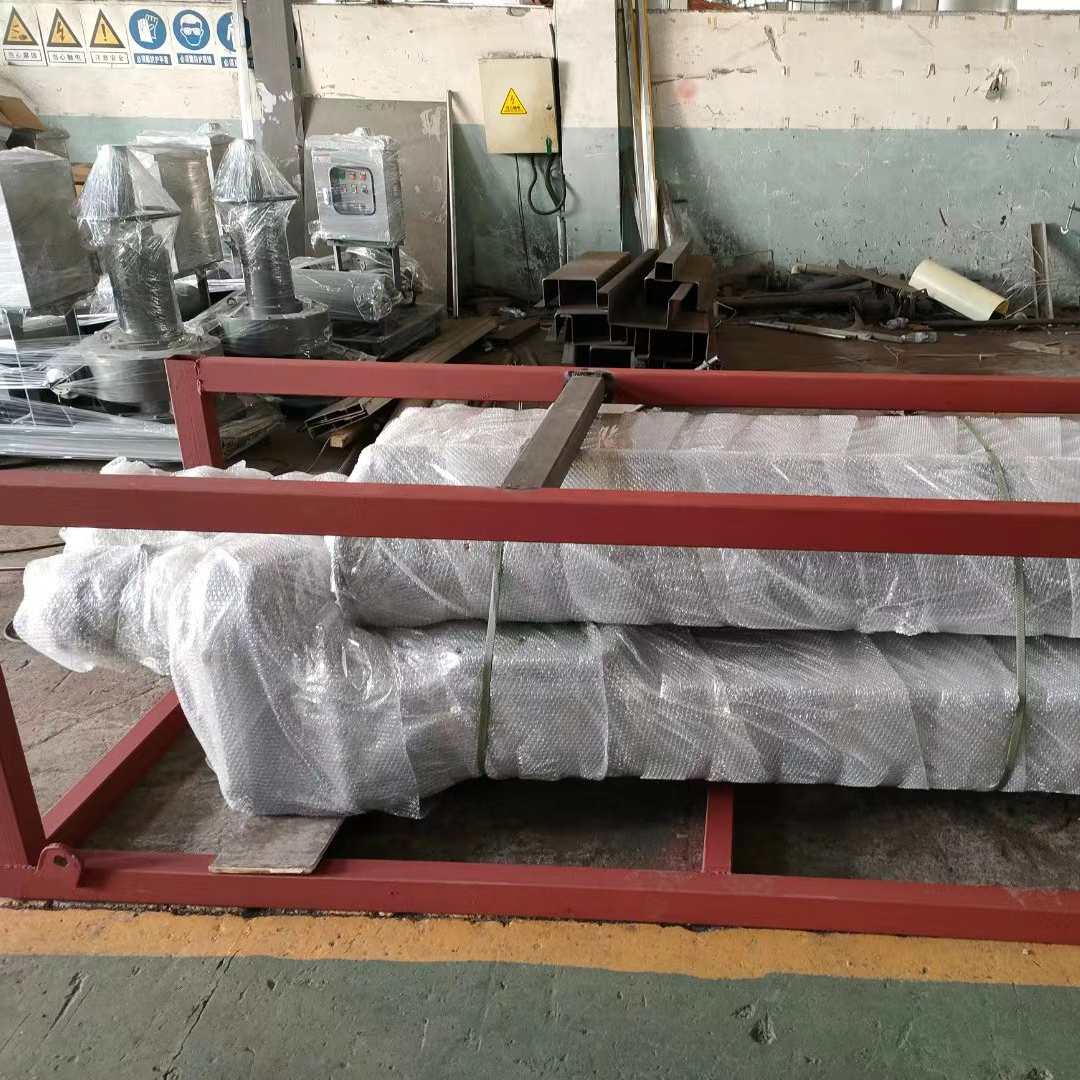
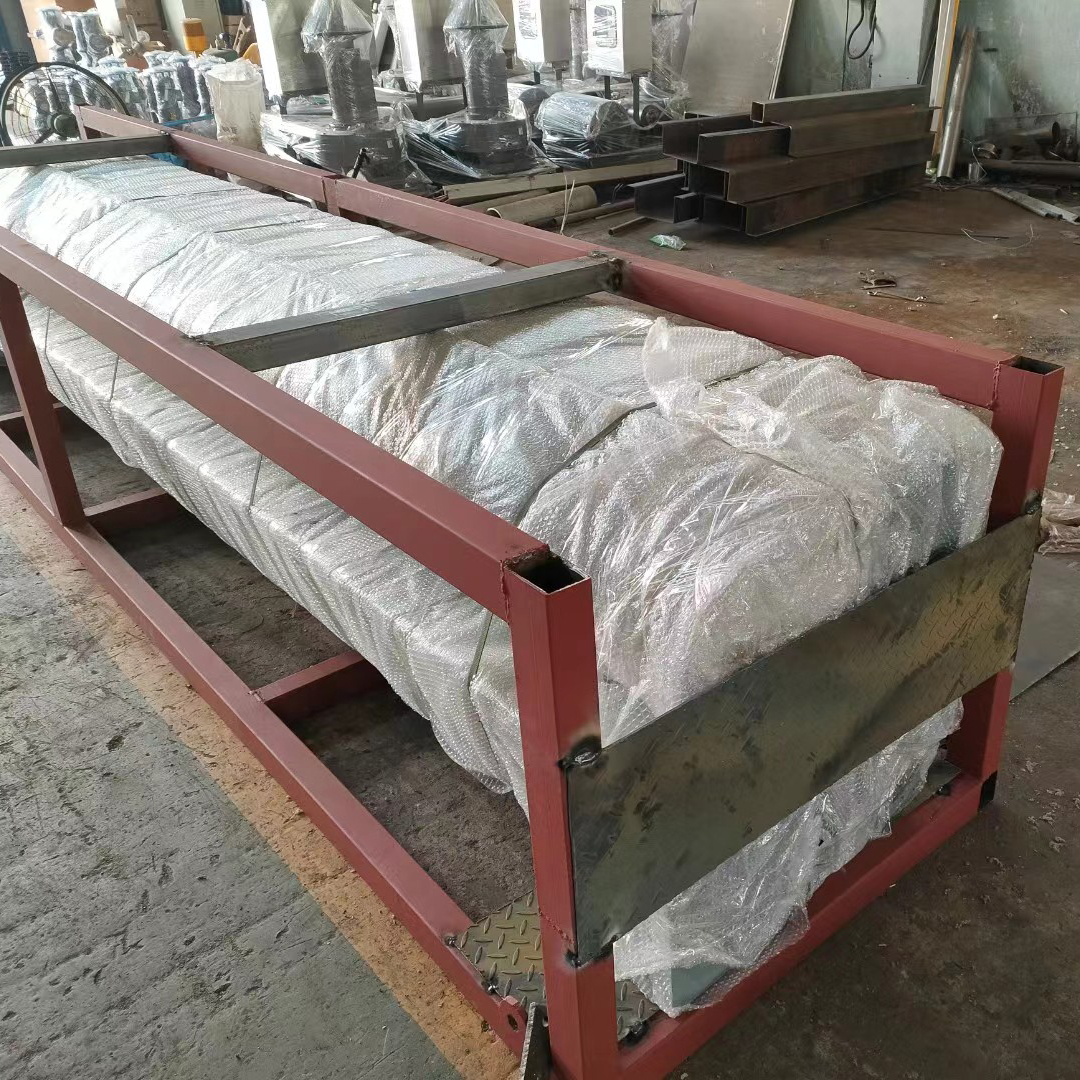
For many materials that are difficult to transport, people have been seeking a reliable transportation method, and screw conveyor are a better solution.
Post Views:225
Product Introduction
Screw conveyors are mainly used to transport waste from industries such as wastewater treatment, papermaking, and chemical industry waste. They have unique advantages for materials with solid adsorption, paste and dense materials (such as chemical raw materials, waste pulp, malt, sludge, etc.), and easily entangled materials (such as domestic waste)
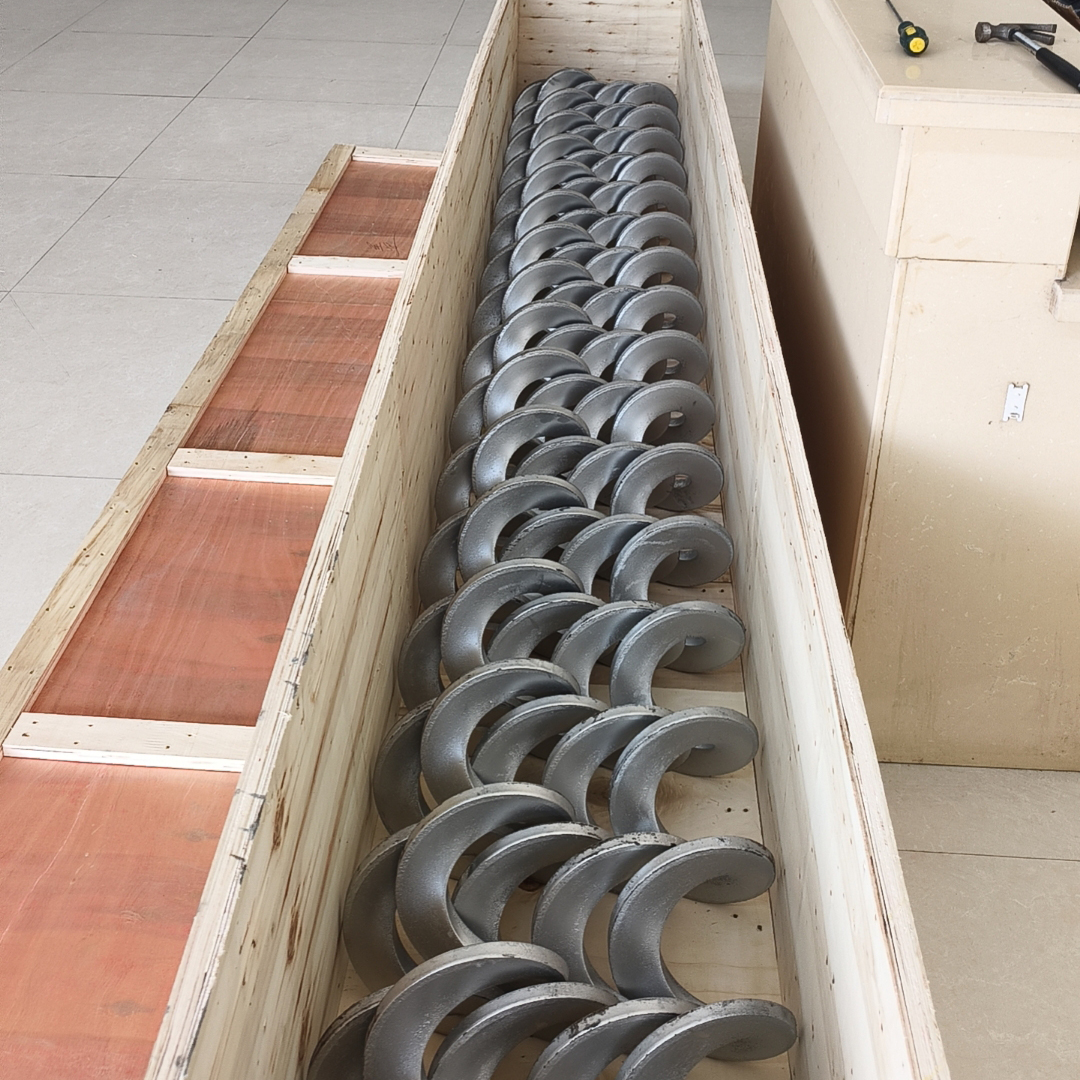
The screw conveyor mainly comprises a driving device, a conveying screw, a U-shaped groove, a lining plate, a cover plate, and a feeding port. The material enters the feeding port and gradually moves through the screw to the outlet, completing the conveying process. There is a difference in structure between helicoids with and without a shaft. The spiral conveyor is made of ordinary carbon steel and stainless steel.
Product Advantages
Reliable quality, stable operation, and automatic control;
Length, angle, inlet, and outlet hopper can be customized according to requirements;
Closed operation, low noise, no environmental pollution such as leakage;
The U-shaped groove is lined with wear-resistant material, facilitating maintenance and long service life;
Easy installation, fixed with expansion bolts;
No tail support, easy maintenance, reduced operation, and maintenance costs.
Application Field
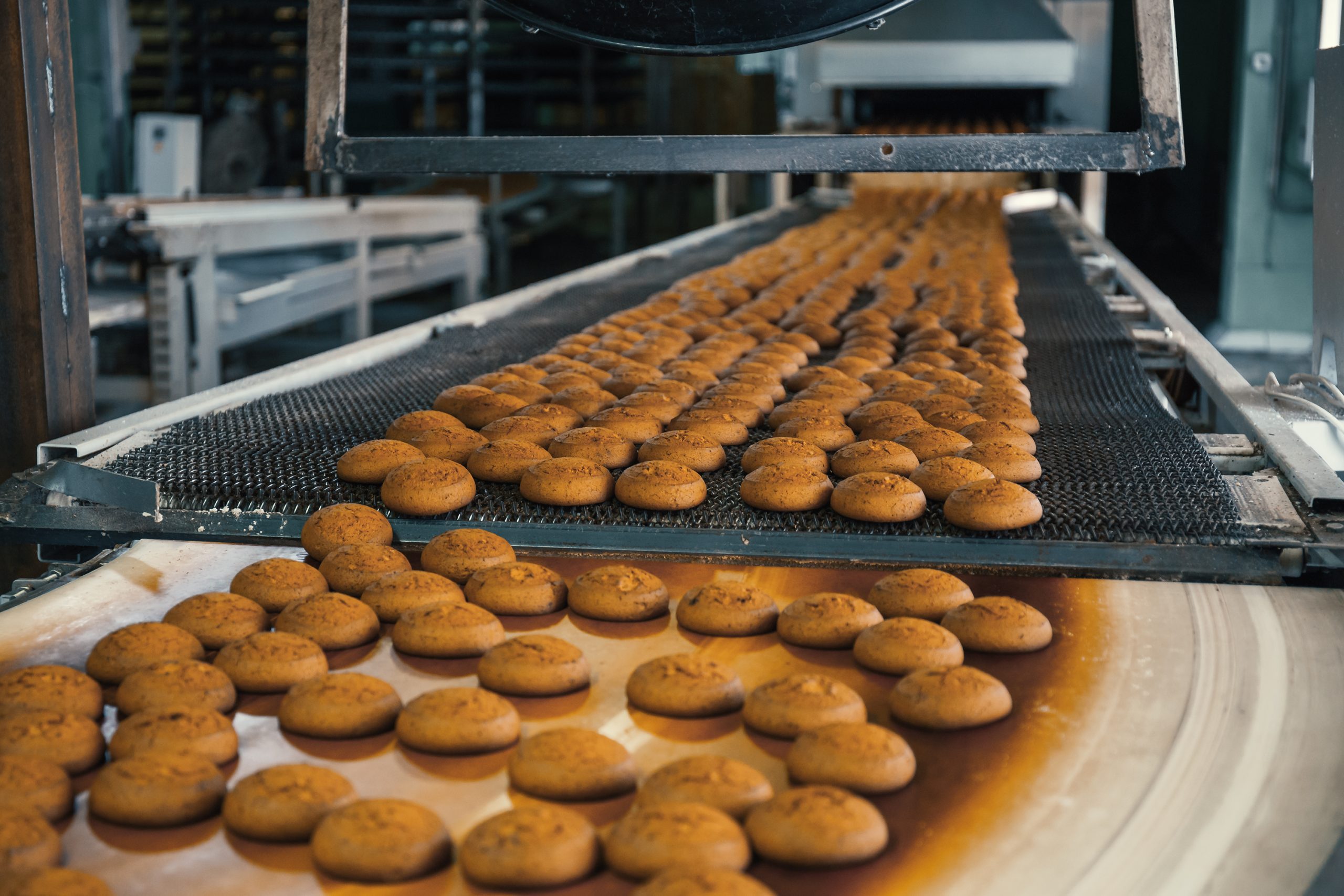
1.Food Processing
Conveying powdered or granular materials such as flour, grains, and sugar powder to avoid pollution, suitable for production line automation.
2.Chemical Industry
Processing powders, particles or viscous chemical raw materials (such as plastic particles, fertilizers), with corrosion-resistant design suitable for acidic and alkaline environments.
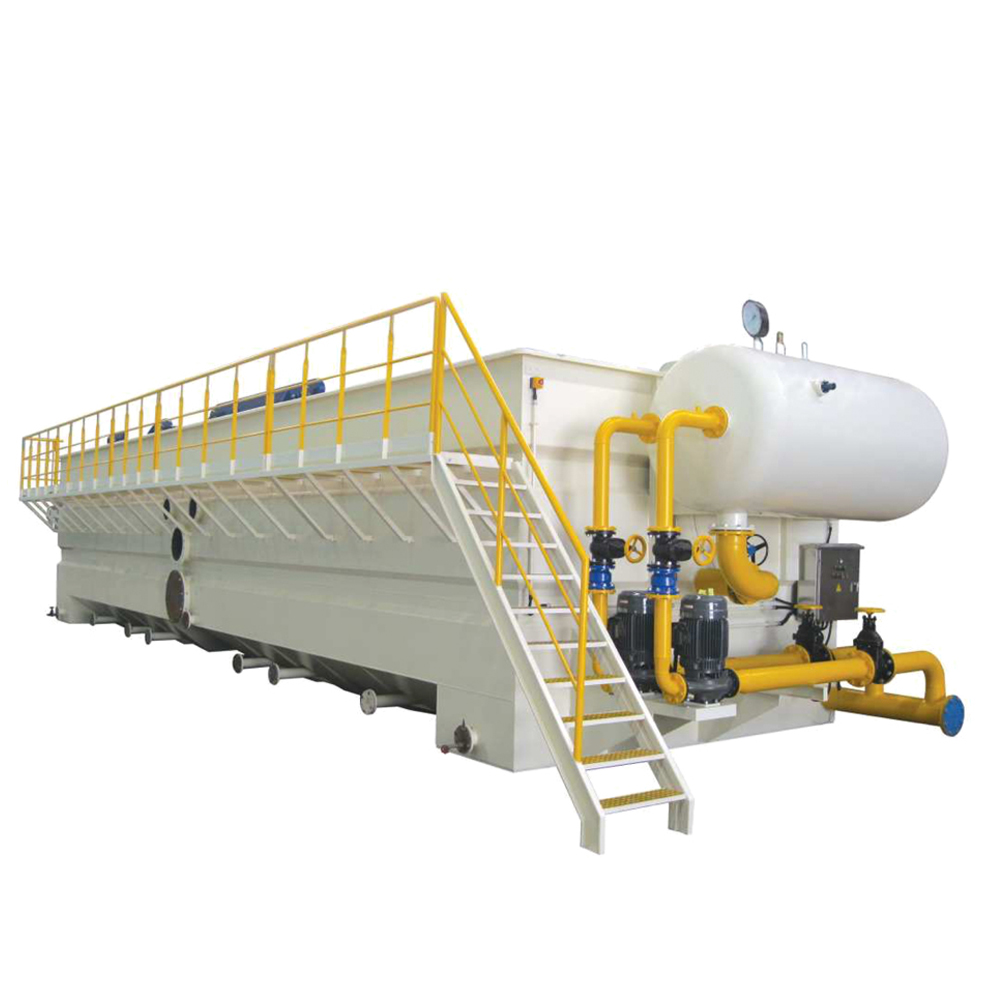
3.Sewage Treatment
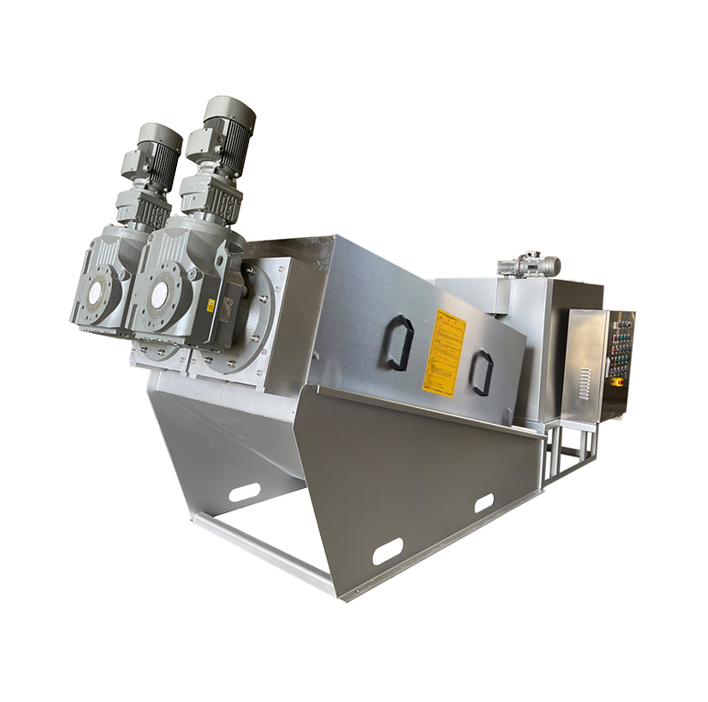
Transporting dehydrated sludge to the storage area, with a compact structure suitable for small spaces.
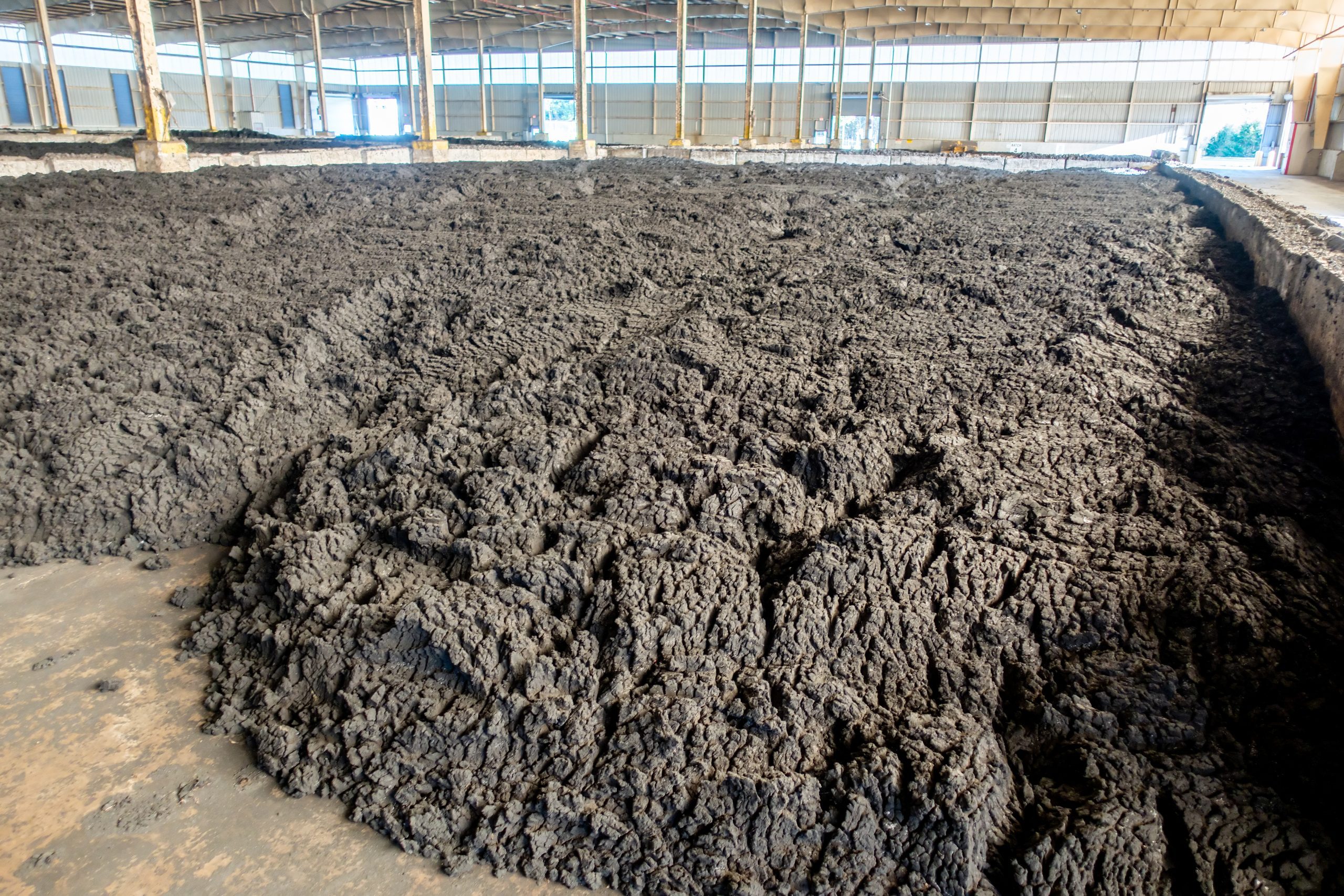
4.Sludge Treatment
Transport dehydrated sludge to stacking or incineration equipment to reduce manual handling pollution.