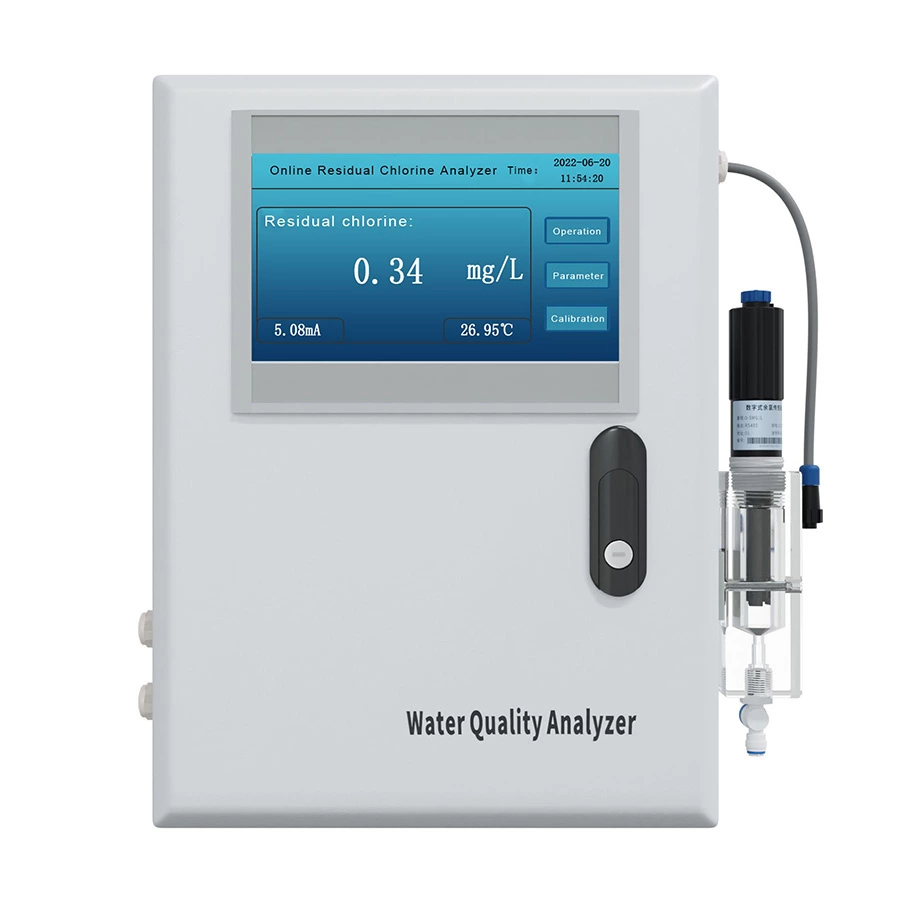
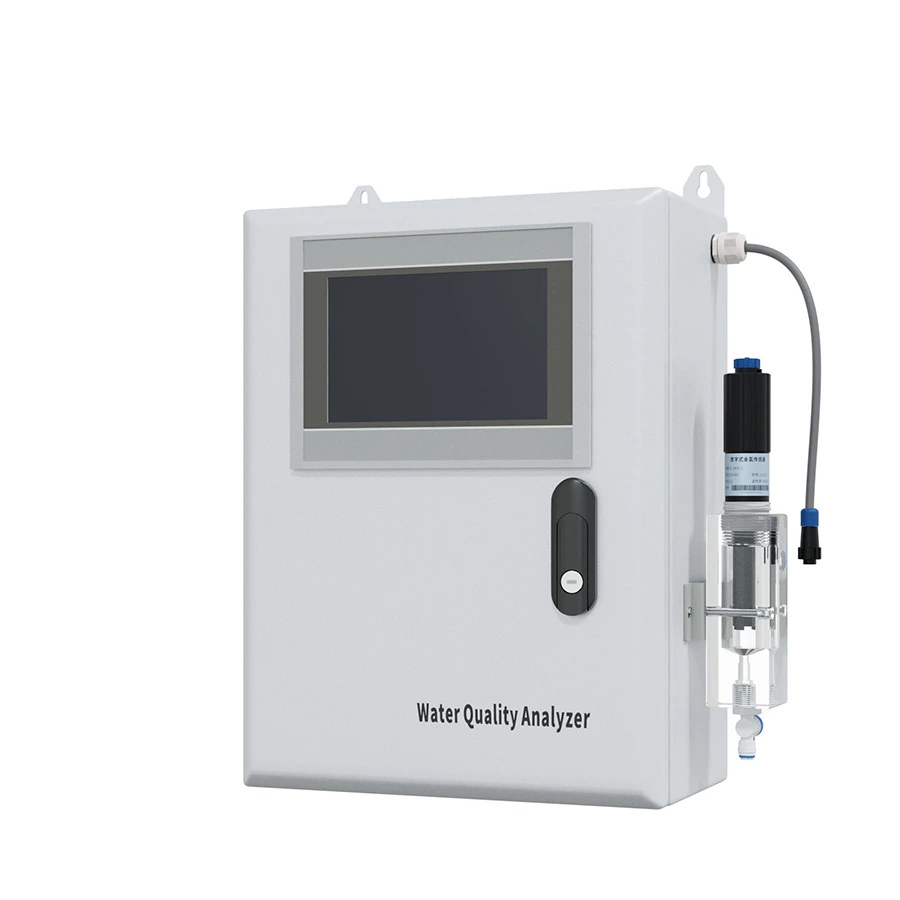
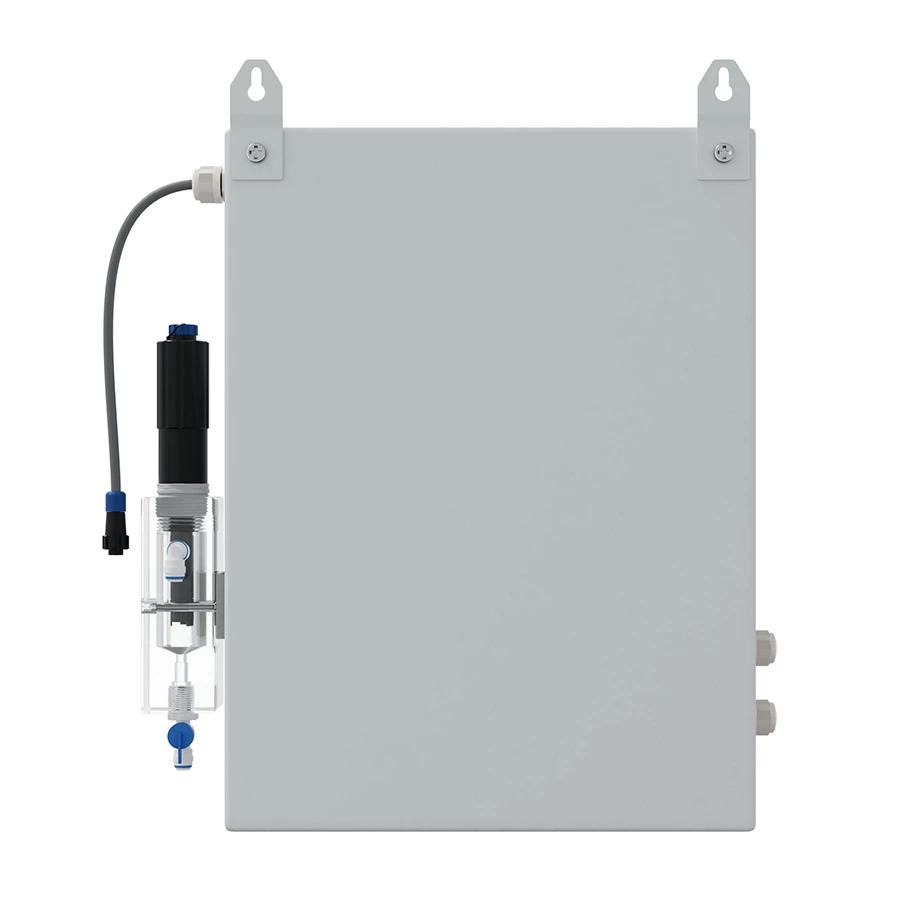
ZL-TRC 400 Residual chlorine meter has a built-in sensor, which has the characteristics of high measurement accuracy, fast response time and low maintenance cost.
Post Views:230
Product Introduction
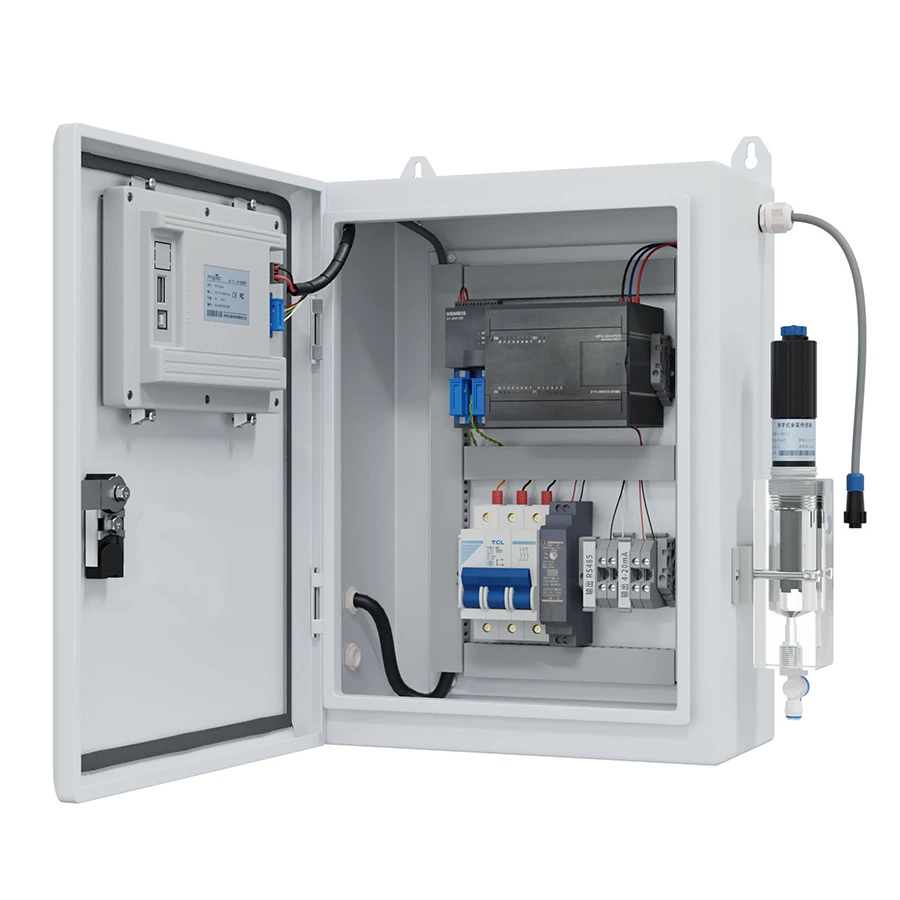
The residual chlorine meter has a built-in sensor, which has the characteristics of high measurement accuracy, fast response time and low maintenance cost. The residual chlorine meter outputs 4~20mA standard signal and RS485 signal, which can be connected to various regulators, and can be connected to two-position regulators, time proportional regulators, non-linear regulators and classic PID regulators according to requirements, which can be combined into various types. Residual chlorine control system.
Product Advantages
The electrode measurement is accurate and the response speed is fast
LCD with backlight, easy and intuitive operation
With automatic temperature compensation, pH manual compensation function
Restore factory function to avoid data loss by misoperation
Isolated 4-20mA standard signal can realize signal remote transmission
Range can be switched manually
A variety of calibration methods are convenient for on-site adjustment
Application Field
1. Drinking Water Treatment & Distribution
This is the most critical application, directly tied to public health.
Water Treatment Plants: To optimize the dosage of chlorine or other disinfectants (like hypochlorite) entering the system. Operators aim to achieve a sufficient residual to kill pathogens without over-dosing, which can lead to taste/odor issues and disinfection by-product (DBP) formation.
Distribution Network Monitoring: Chlorine residual must be maintained throughout the entire pipe network to prevent microbial regrowth and ensure water remains safe at the point of use. Meters are used at strategic points to monitor this decay.
Final Effluent Testing: Verifying that water leaving the plant meets regulatory standards for residual chlorine before entering the distribution system.
2. Swimming Pool & Spa Water Management
Purpose: To maintain safe and comfortable water quality for bathers.
Why Used: Proper chlorine residual (typically 1-3 ppm for pools) is essential for killing harmful microorganisms like E. coli and Cryptosporidium. It protects swimmers from waterborne illnesses. Continuous monitoring in large commercial pools can automate chlorine dosing systems.
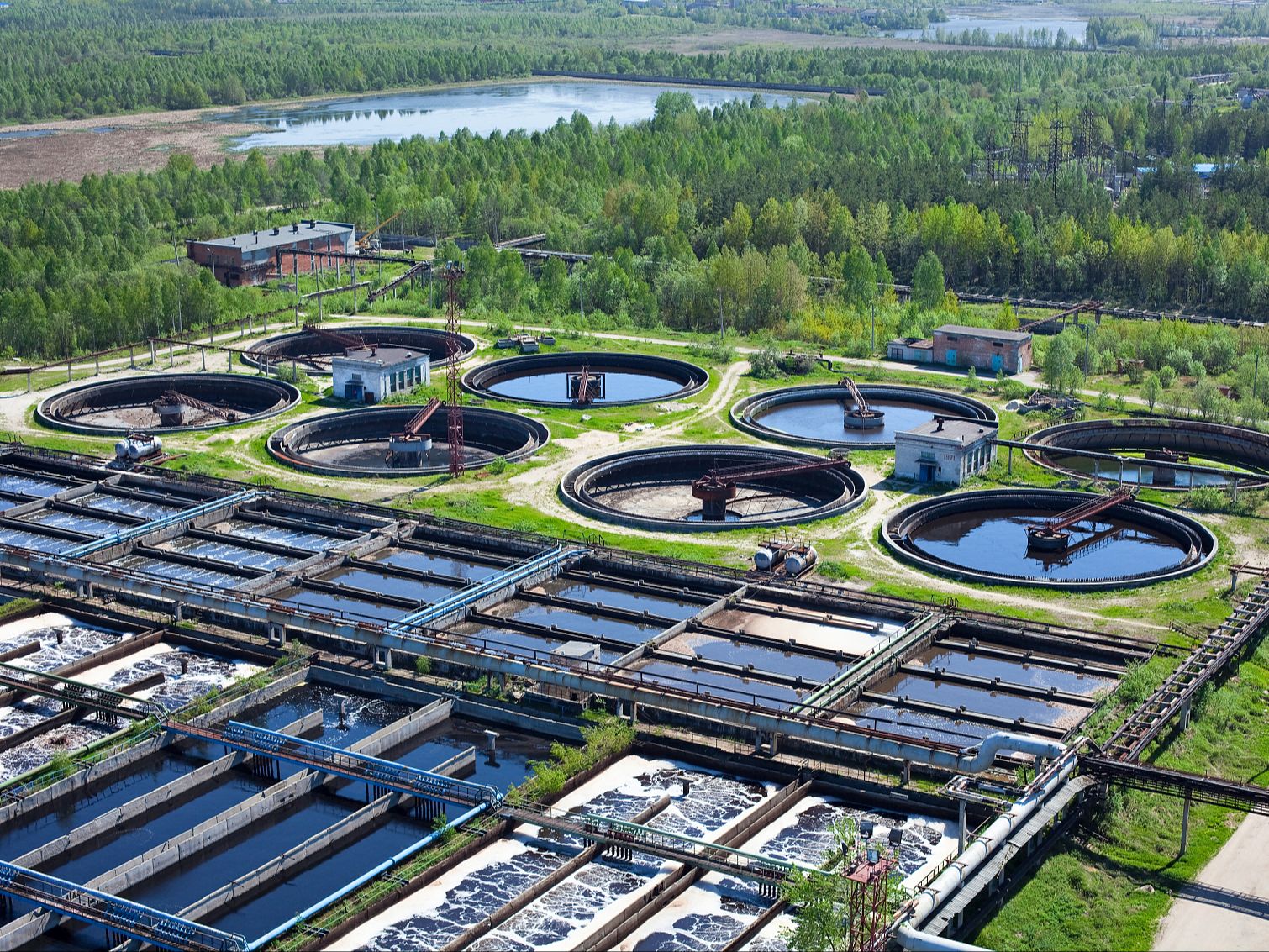
3. Wastewater Disinfection & Effluent Compliance
Purpose: To ensure wastewater effluent is disinfected before being discharged into the environment or reused (e.g., for irrigation).
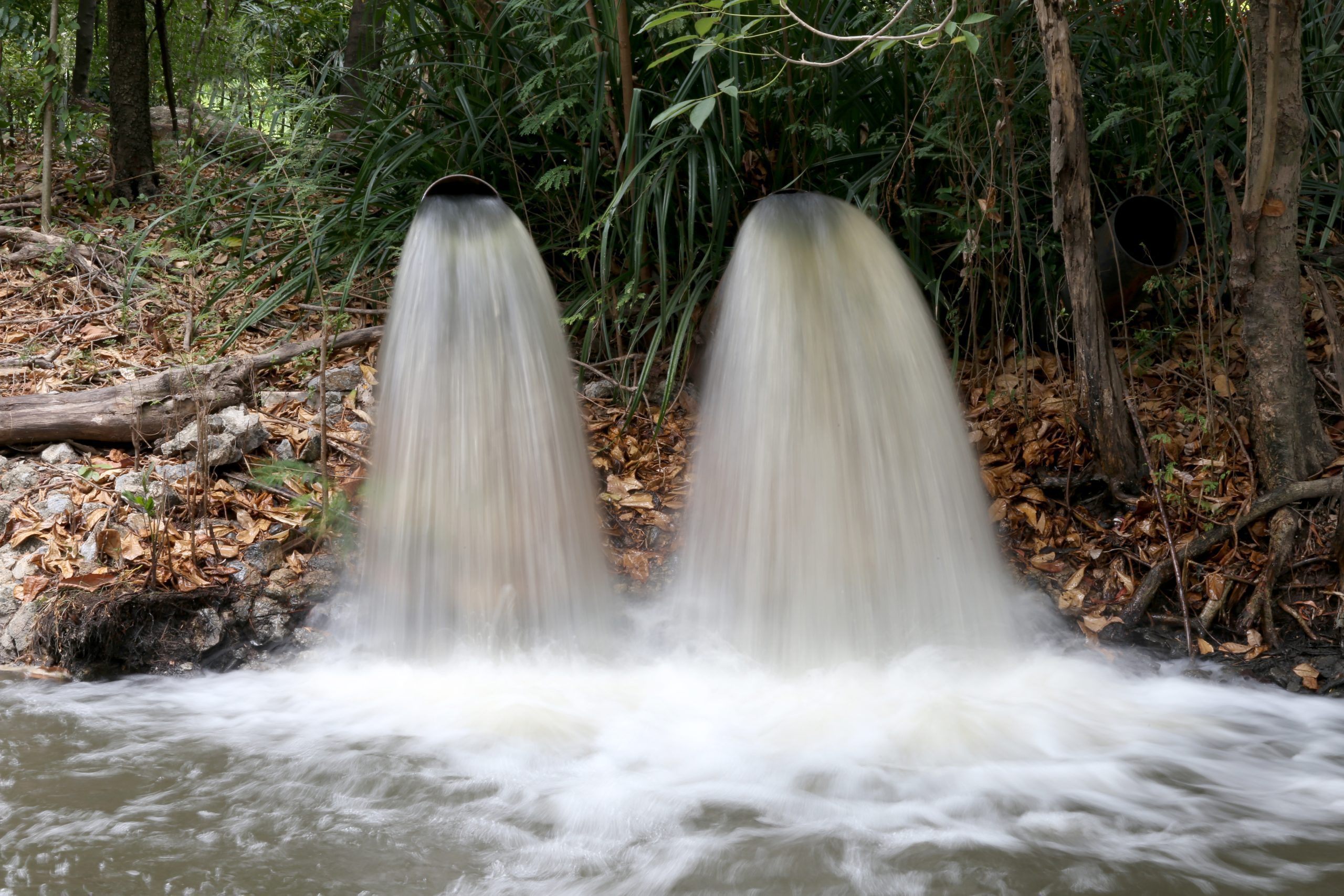
Why Used: After secondary treatment, wastewater is often chlorinated to reduce pathogen levels. Measuring the residual chlorine after a designated contact time is vital to confirm effective disinfection. Furthermore, dechlorination (e.g., with sodium bisulfite) is often required before discharge to protect aquatic life. Meters are used to ensure the residual has been neutralized to comply with permit limits.
4. Food & Beverage Processing and Healthcare
Food & Beverage Industry: Used to monitor the concentration of chlorinated water used for sanitizing equipment (e.g., tanks, pipes, conveyors), washing produce, and in CIP (Clean-in-Place) systems. Effective concentration is critical for food safety without leaving harmful residues.
Healthcare Facilities: To verify the concentration of chlorine-based disinfecting solutions used for surface sanitation and to ensure proper sterilization of medical equipment washed with chlorinated water.

-scaled.jpg)