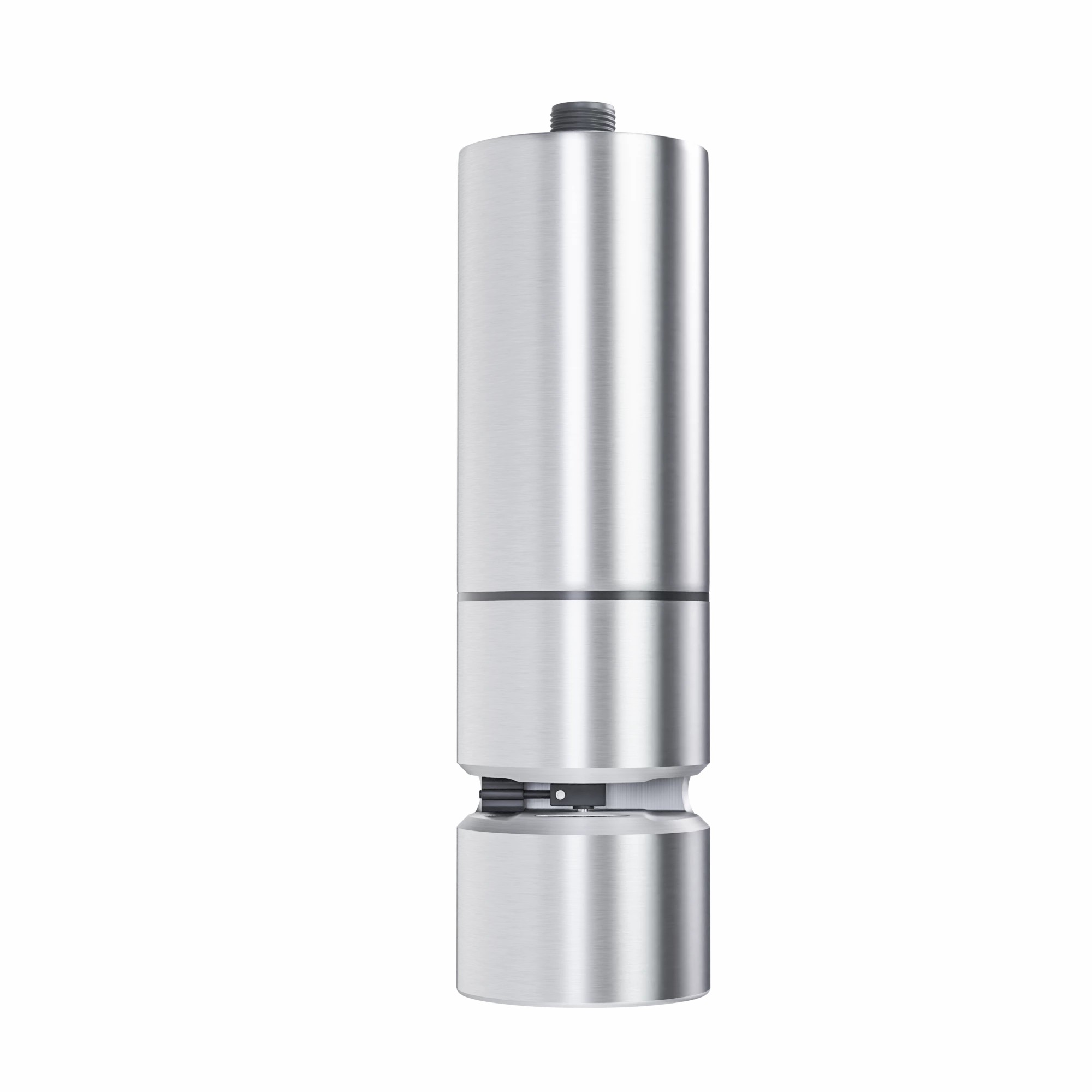
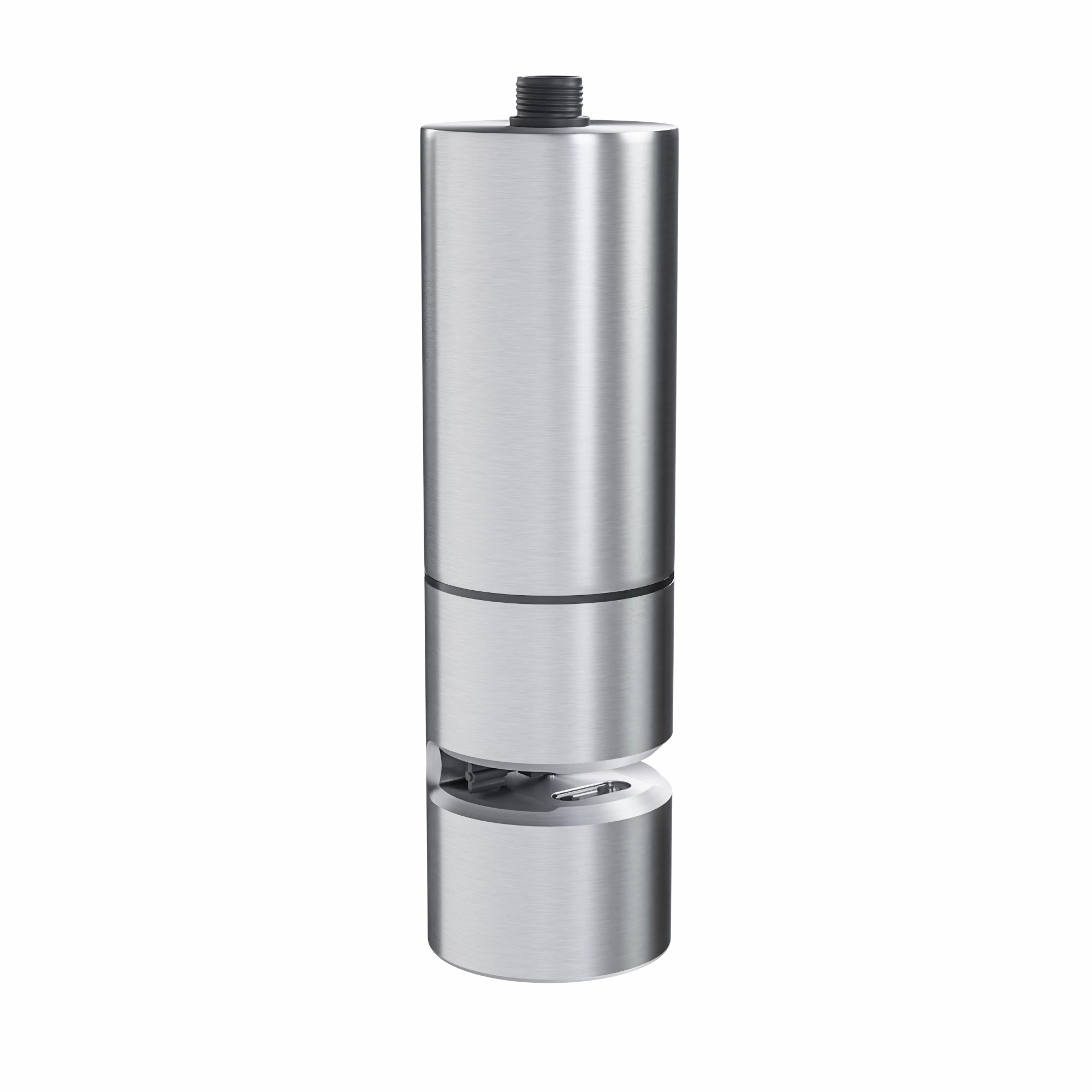
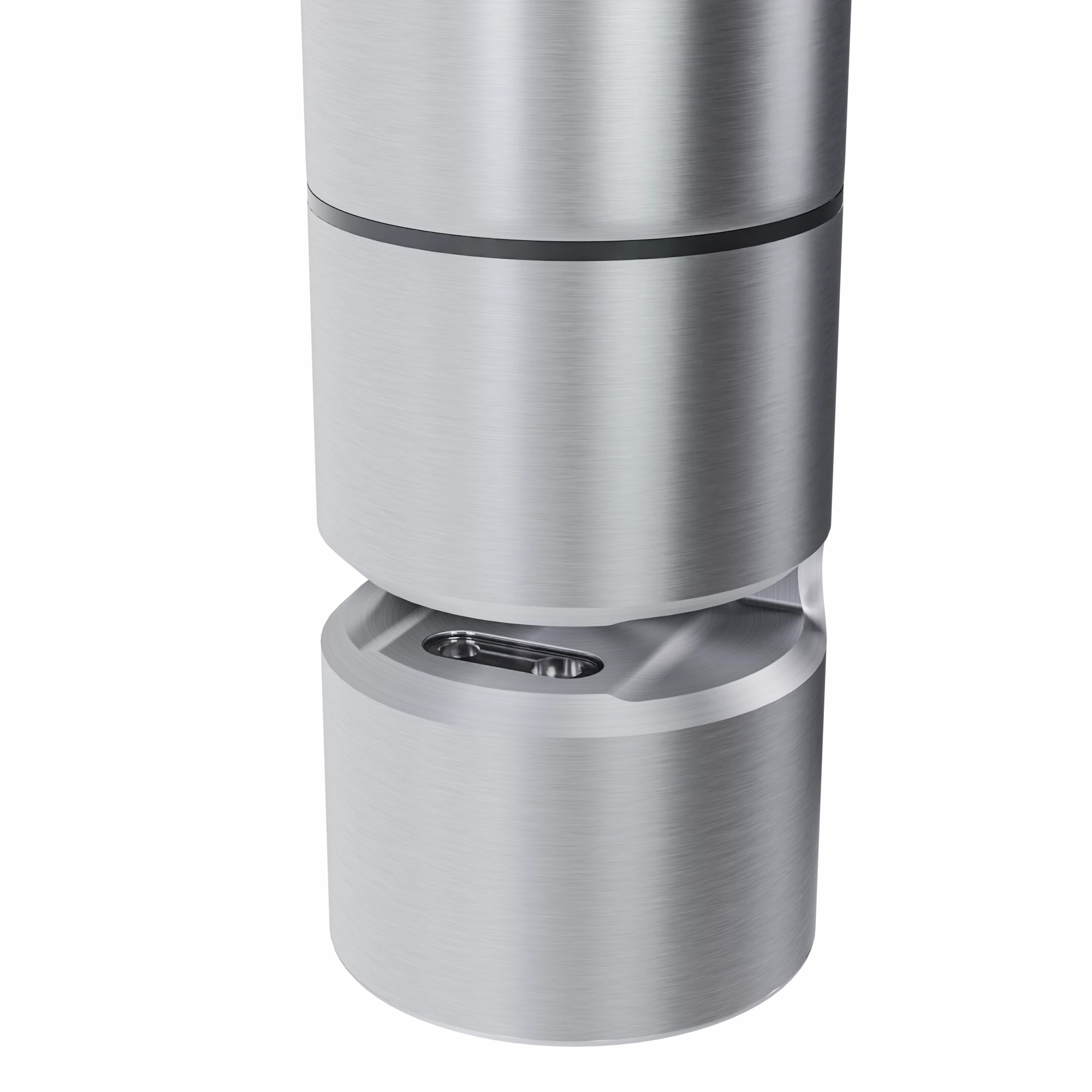
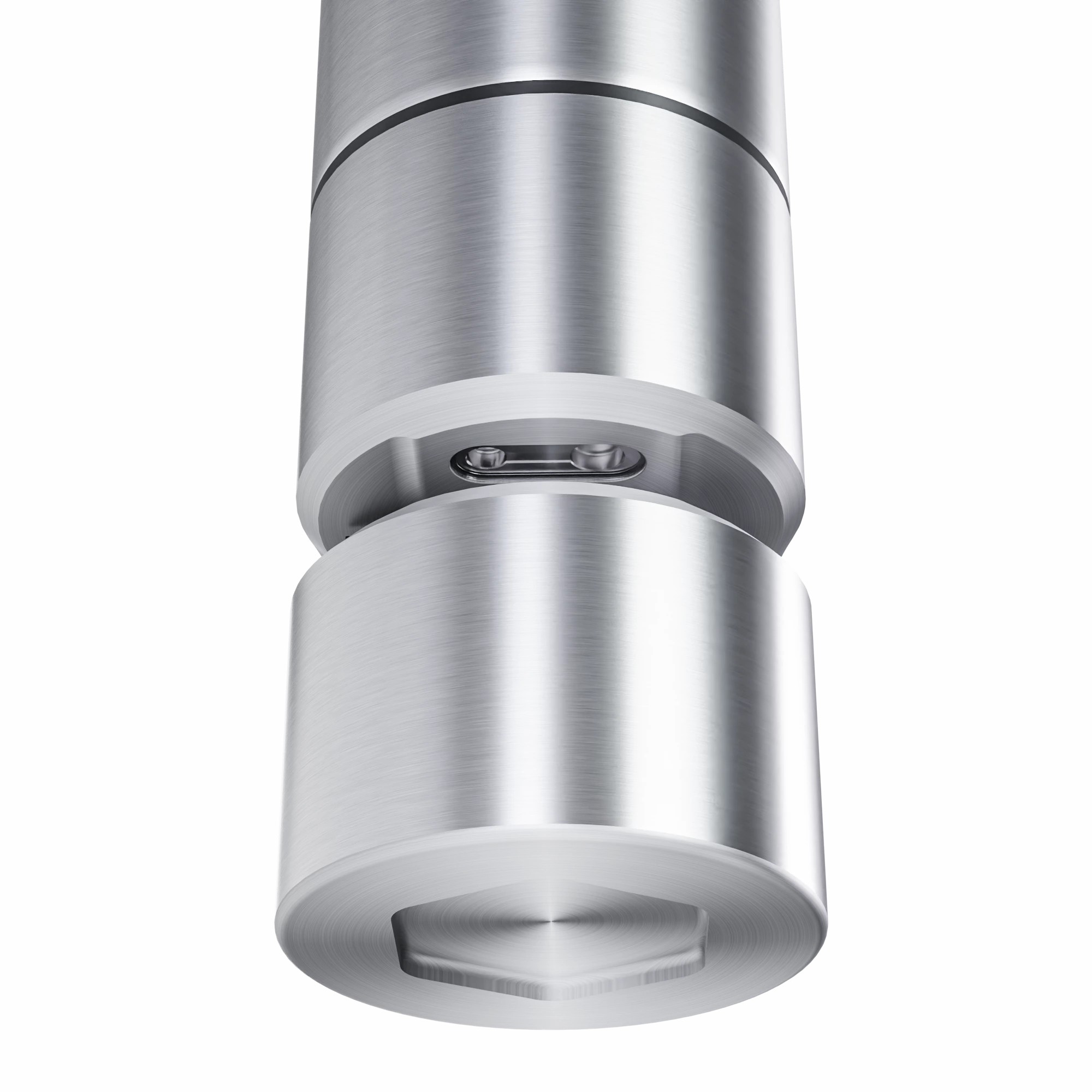
ZL2000 COD Sensor

ZL2000COD sensor is based on the UV absorption principle, does not need reagents, will not cause pollution, more environmental protection; Integrated self-cleaning brush, easy to install and use, even long-term online monitoring still has excellent stability.

Product Introduction

1. UV-Vis Absorption Spectroscopy (Most Common)

This method is based on the principle that organic molecules absorb ultraviolet (UV) light.

  • Principle: The sensor emits ultraviolet light (typically at 254 nm wavelength) through a water sample. Organic compounds (especially those with conjugated double bonds and aromatic rings like humic acids, phenols, and dyes) absorb this UV light.

  • Measurement: A detector on the other side measures the intensity of the light that passes through (transmits). The amount of light absorbed (absorbance) is calculated using the Beer-Lambert law.

  • Correlation to COD: There is a strong correlation between the UV absorbance (UV254) and the COD value for a given, consistent wastewater stream. The sensor is calibrated against laboratory COD results for that specific type of water to create a conversion algorithm.

  • Advantages: No reagents, very fast response (seconds to minutes), continuous measurement, low maintenance.

2. Electrochemical Method (PeCOD® – Photoelectrochemical Oxygen Demand)

This is a more advanced and accurate method that closer mimics the oxidation principle of the standard COD test.

  • Principle: A highly reactive hydroxyl radical (•OH) is generated photoelectrochemically on the surface of a special electrode (often a nano-titanium dioxide electrode) by shining UV light on it.

  • Oxidation: These radicals aggressively oxidize the organic compounds in the water sample.

  • Measurement: The electrical current generated by this oxidation reaction is measured. This current is directly proportional to the amount of organics oxidized, and thus to the COD.

  • Advantages: More accurate than UV absorption, especially for waters with varying compositions, and faster than the lab test (results in minutes).

Product Advantages

Application Field

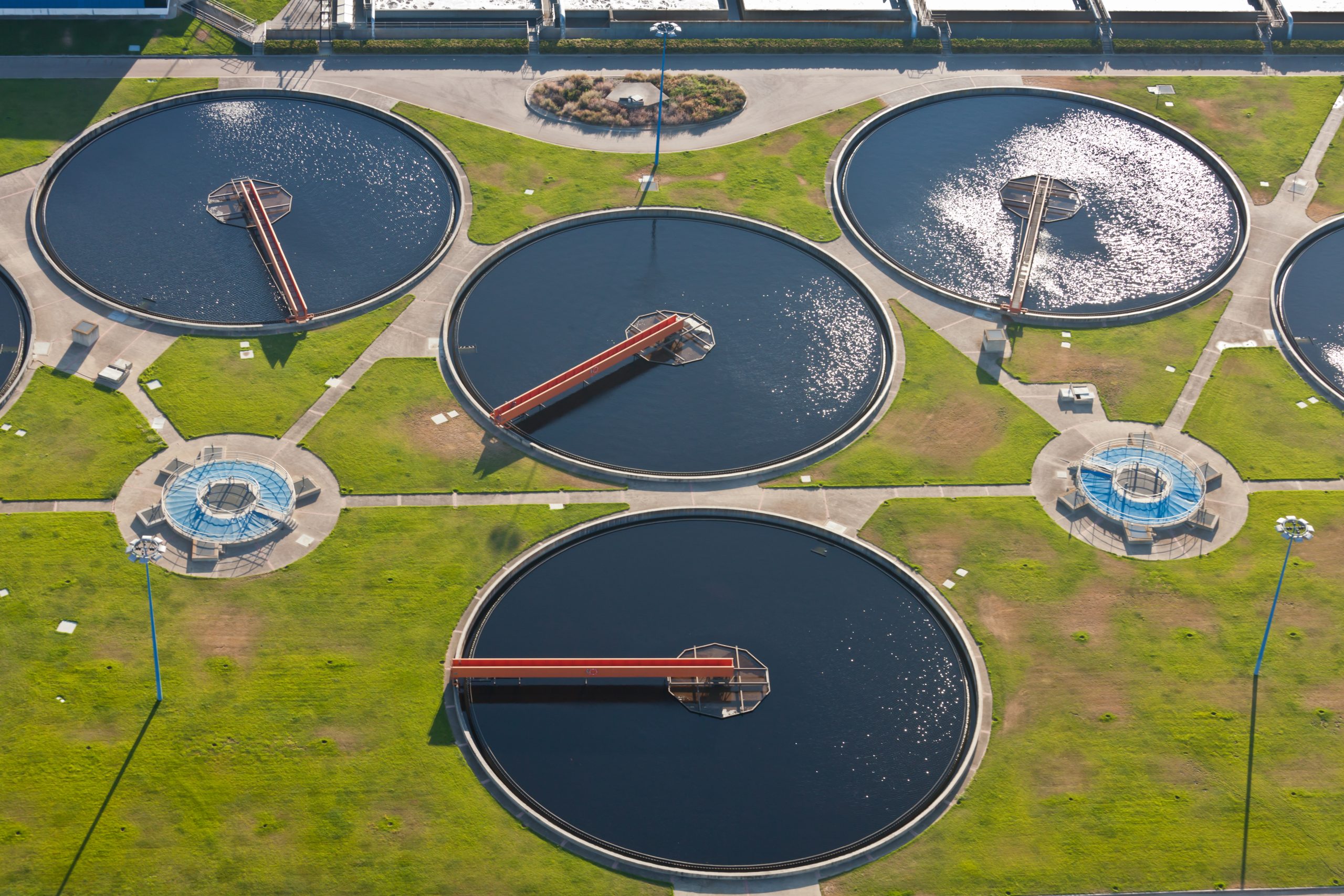
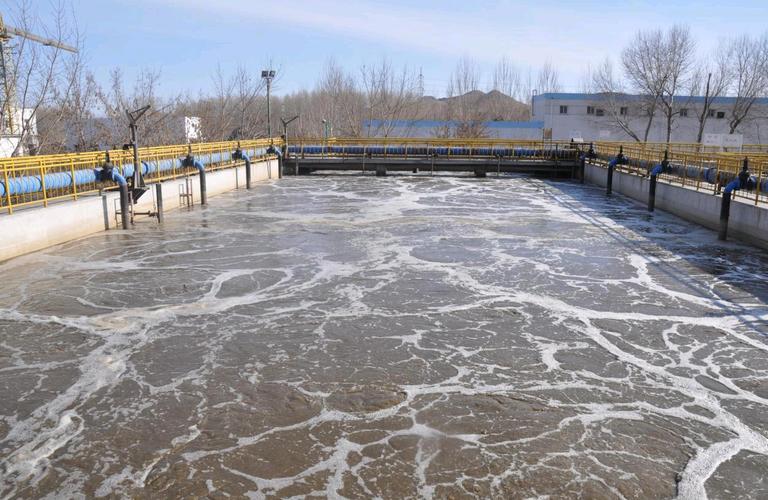
1. Municipal Wastewater Treatment Plants

  • Purpose: To monitor the influent (incoming sewage) load and the effluent (treated water) quality.

  • Why Used:

    • Influent Monitoring: Provides early warning of shock loads from industrial dischargers, allowing operators to adjust treatment processes (aeration, chemical dosing) to prevent upsets.

    • Effluent Compliance: Ensures the treated water meets regulatory COD limits before being discharged into the environment.

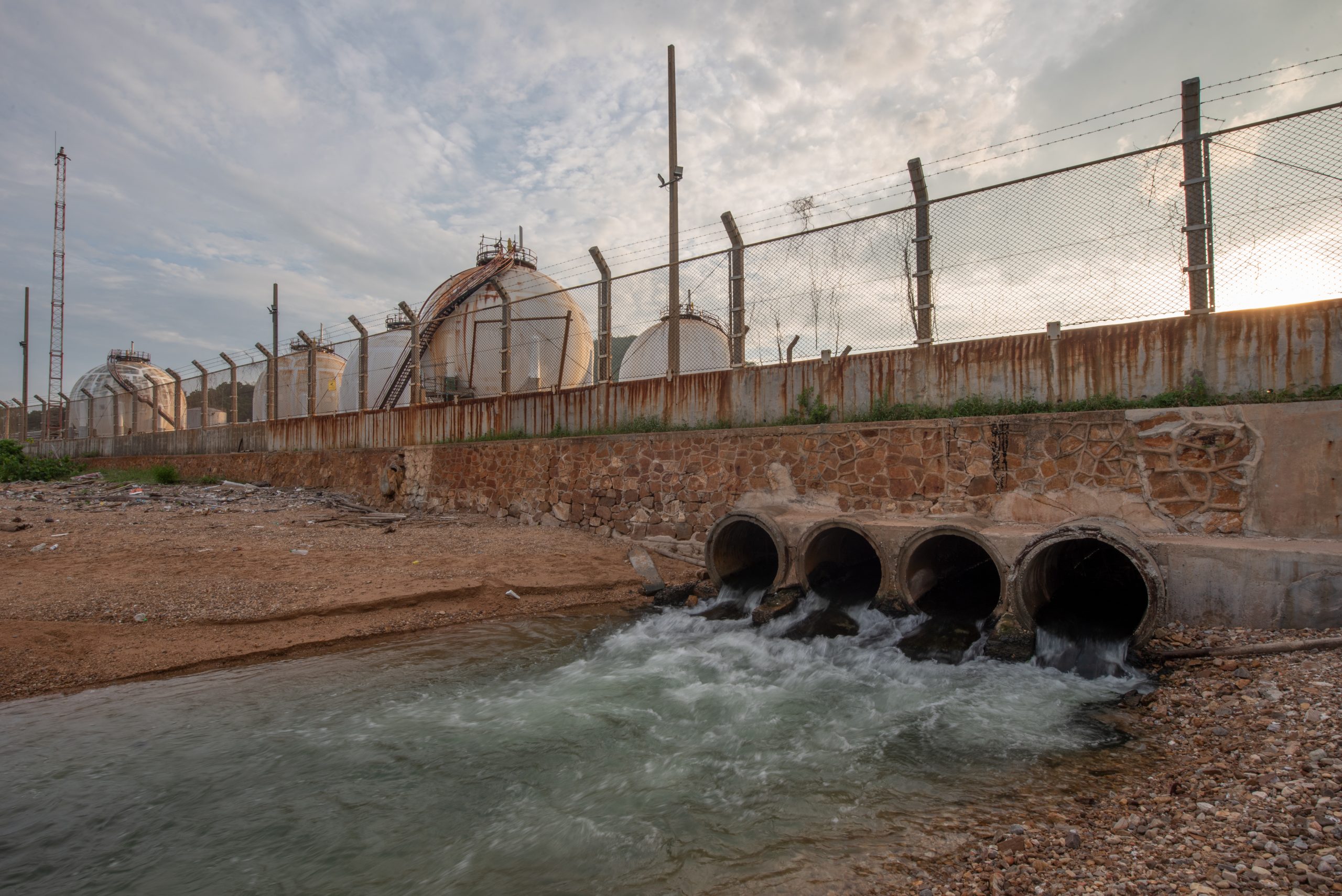
2. Industrial Wastewater Monitoring

  • Purpose: To monitor wastewater at the point of generation and before discharge to the public sewer.

  • Industries: Food processing, breweries, pharmaceuticals, chemical manufacturing, pulp and paper mills.

  • Why Used: Industries must often pre-treat their wastewater to meet specific COD limits set by the local water authority to avoid high surcharges. Real-time sensors allow for immediate process control and optimization of on-site treatment systems.

3. Environmental Water Monitoring

  • Purpose: To assess the health of rivers, lakes, and coastal waters and to identify pollution events.

  • Why Used: A sudden spike in the UV-absorbance (and estimated COD) can be an early indicator of a pollution event, such as a sewer overflow, illegal industrial discharge, or agricultural runoff. Sensors can be deployed on buoys or at monitoring stations for continuous surveillance.


4. Drinking Water Protection

  • Purpose: To monitor source water quality at intakes from rivers or lakes.

  • Why Used: A rise in organics (shown by rising UV absorption) can indicate upstream pollution or algal bloom decay. This early warning allows water treatment plant operators to adjust coagulation, disinfection, and filtration processes to prevent the formation of harmful disinfection by-products (like trihalomethanes) and ensure safe drinking water.

Technical Parameter

Model ZL2000
COD Range   0.5 to 500mg/L equiv.KHP
 TOC Range   0.3 to 200mg/L equiv.KHP
  COD Accuracy  ±5% equiv.KHP
  TOC Accuracy  ±5% equiv.KHP
  Pressure  3 bar
  Material  Stainless steel
  Temperature range  0-50℃
  Temperature accuracy  ±3℃
  Ingress protection  IP68

Do you need a quotation?

Please leave a message or send us an email:[email protected]